Table of Contents
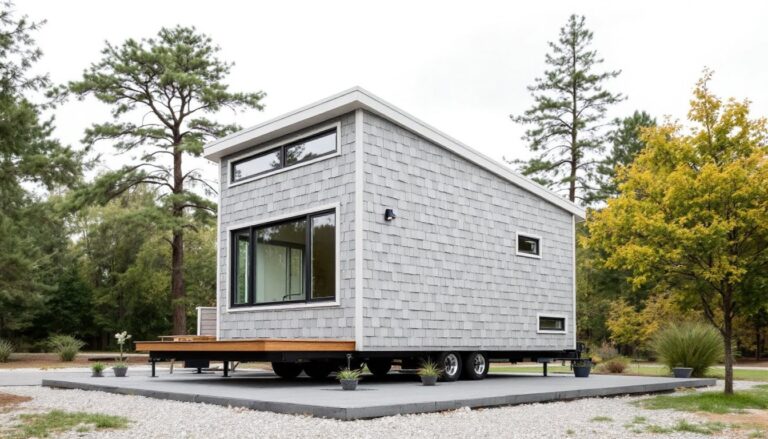
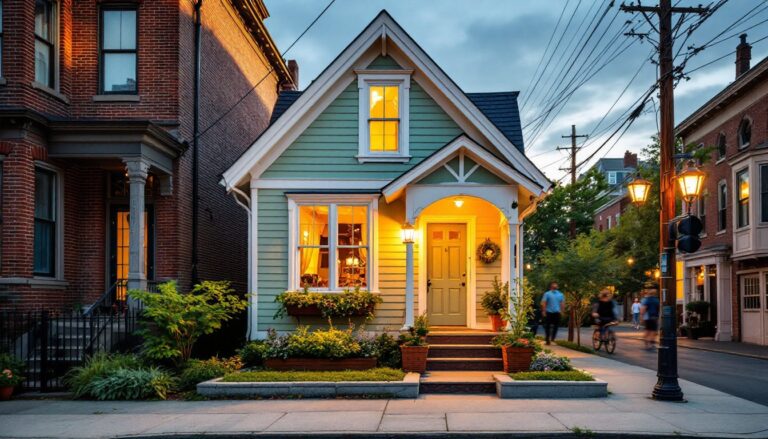
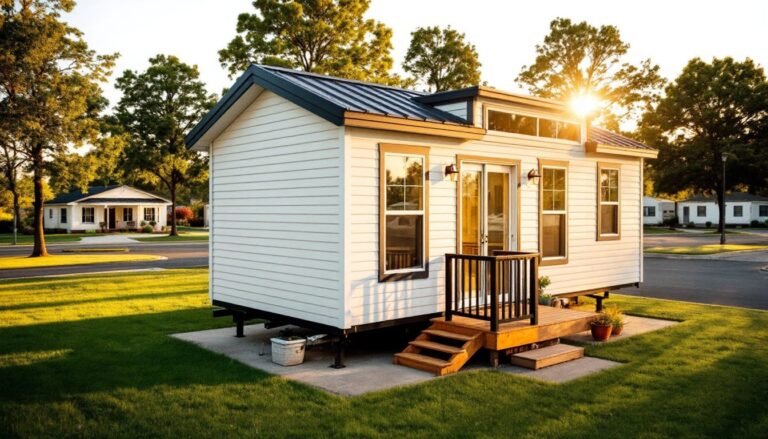
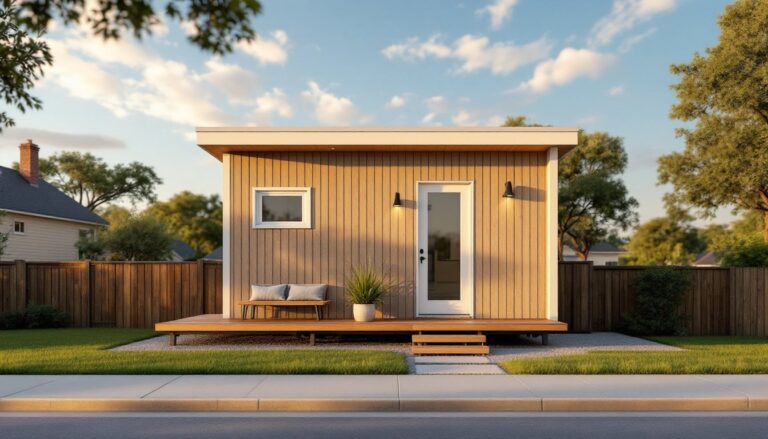
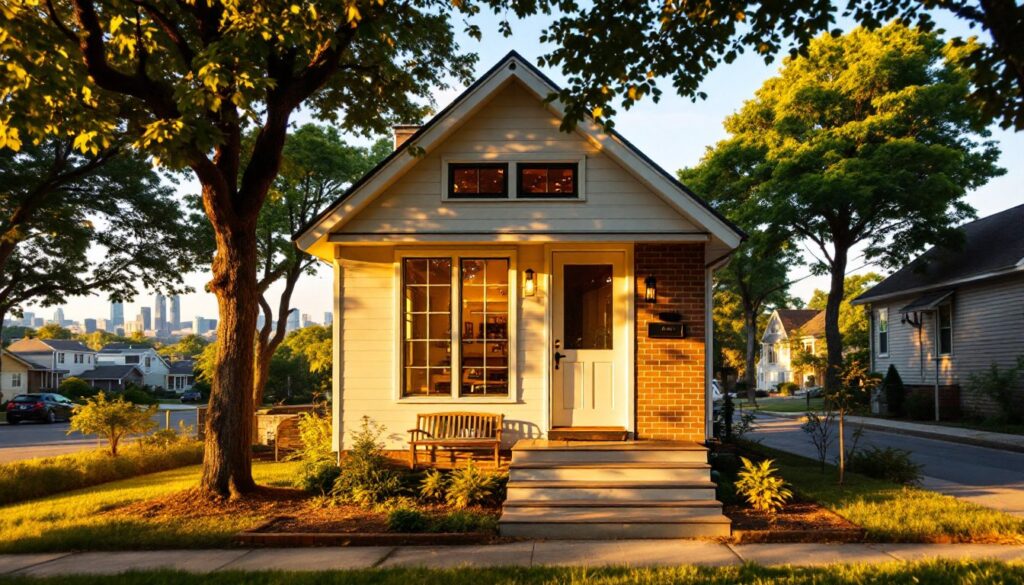
ToggleAtlanta’s rental market is shifting. Once dominated by sprawling apartments and traditional houses, the city now hosts a growing inventory of tiny homes, compact dwellings under 500 square feet designed for affordability, sustainability, and simplicity. Whether you’re priced out of conventional rentals, drawn to minimalist living, or simply looking for a lower cost of living, tiny homes for rent in Atlanta offer a viable alternative. This guide walks you through what’s available, where to find it, how much it costs, and what to consider before signing a lease.
Key Takeaways
- Tiny homes for rent in Atlanta typically cost $800–$1,400 per month, offering 15–25% savings compared to traditional studios and 1-bedroom apartments in the same neighborhoods.
- East Atlanta, Little Five Points, Inman Park, and neighborhoods along the BeltLine are popular areas for tiny home rentals, with more affordable options available in Decatur, Kirkwood, and West End.
- Before renting a tiny home in Atlanta, visit in person to assess ceiling height, storage, HVAC adequacy for summer heat, and neighborhood safety at different times of day.
- Successful tiny home living requires intentional organization with vertical shelving, multi-functional furniture, and understanding that utilities, parking, and true monthly costs must be calculated separately from base rent.
- Atlanta’s car-centric layout means most tiny home rentals include parking—a hybrid advantage over denser urban markets—while the mild climate reduces infrastructure complications compared to colder regions.
What Makes Atlanta’s Tiny Home Rental Market Unique
Atlanta’s tiny home market exists at an interesting intersection. The city lacks the dense, walkable urban cores of New York or San Francisco, yet it’s experiencing rapid urbanization and housing affordability pressures that make creative solutions appealing. The Southeast’s lower construction costs and less restrictive zoning regulations in certain neighborhoods have made tiny home development more feasible here than in traditionally restrictive metros.
Atlanta’s rental pool includes both purpose-built tiny home communities and individual scattered rentals, converted backyard structures, ADUs (accessory dwelling units), and new microapartments in revitalized neighborhoods. Property owners increasingly recognize that smaller, lower-maintenance dwellings rent faster and attract younger professionals, students, and retirees downsizing. The city’s mild winters also mean fewer complications with tiny home infrastructure like plumbing and HVAC systems compared to colder climates.
Another factor: Atlanta’s car-centric layout means most tiny home rentals come with parking, unlike urban markets where cars are optional. This hybrid approach, affordability with automotive convenience, attracts renters who might otherwise live in suburbs further out.
Where to Find Tiny Homes for Rent Across Atlanta
Finding a tiny home to rent in Atlanta requires knowing where to look. Online platforms like Zillow, Apartments.com, and Craigslist list scattered units, but searching “tiny home” or “studio” with square footage filters helps narrow results. Facebook Marketplace and local Atlanta real estate groups often feature private landlord listings before they hit major portals. Many tiny home communities market directly through their websites, searching “tiny home community Atlanta” yields dedicated rental programs.
Real estate agents accustomed to micro-unit or ADU rentals can be valuable. Several firms in Atlanta specialize in non-traditional rentals. Word-of-mouth remains effective too: friends, coworkers, or online communities focused on minimal living often know available units before they’re advertised widely.
When searching, be specific about your priorities: location, price range, utilities included, pet policies, and lease length. Most tiny home rentals run traditional 12-month leases, though some offer flexibility. Expect to see listings in a range of neighborhoods depending on your budget and lifestyle needs.
Popular Neighborhoods for Tiny Home Rentals
East Atlanta and Little Five Points remain hotspots for unconventional housing due to their younger demographics and landlord-friendly zoning. Inman Park, with its historic architecture and younger professional base, has seen ADU and accessory dwelling conversions. Druid Hills and areas near Emory University attract students and early-career renters looking for affordable options. Old Fourth Ward and Reynoldstown are gentrifying with small rental developments.
For budget-conscious renters, neighborhoods further from downtown like Decatur (technically DeKalb County but Atlanta-adjacent), Kirkwood, and areas along BeltLine corridors offer more options. These zones often have lower rents and greater availability of unconventional housing. Westside neighborhoods like West End and Mechanicsville are also emerging as affordable tiny home hotspots. Your budget, commute tolerance, and neighborhood vibe preference will guide your search.
Cost Breakdown: What to Expect When Renting a Tiny Home
Tiny home rentals in Atlanta typically run $800–$1,400 per month, depending on location, amenities, and whether utilities are included. Studios and 1-bedroom units in walkable neighborhoods closer to downtown command higher rents: outlying areas offer cheaper rates. A well-positioned tiny home in Inman Park or East Atlanta might rent for $1,200–$1,400, while a unit in Decatur or West End might be $900–$1,100.
Utilities matter significantly to your actual cost. Some landlords include electric, water, and trash: others don’t. Gas heating, if present, may be separate. WiFi is increasingly included but verify before signing. A typical utility bill for a tiny home (around 300–400 square feet) runs $60–$120 per month in mild months, spiking to $150–$200 during summer AC season in Atlanta’s humid climate.
Deposit structures are standard: expect a security deposit equal to one month’s rent. Many landlords charge a non-refundable application fee ($25–$50) and may require proof of income (typically 2.5–3 times the monthly rent). Pet deposits, if allowed, usually run $200–$500.
Compare your tiny home rental cost against comparable studio or 1-bedroom apartments in the same area. Tiny homes often undercut traditional rentals by 15–25% due to lower maintenance and turnover costs, but this varies by neighborhood and landlord. Calculate your true monthly cost by adding rent, utilities, parking (if separate), and renters insurance (cheap, often $10–$20/month) to make accurate comparisons.
How to Evaluate and Choose the Right Tiny Home for Your Needs
Not every tiny home works for every renter. Before committing, assess your actual space needs and lifestyle. Do you cook often? Work from home? Have frequent guests? Store hobbies or equipment? Tiny homes demand ruthless editing of possessions and thoughtful use of every square inch.
Visit in person, never rent sight unseen. Check ceiling height (some are surprisingly tight), storage solutions, and layout flow. Open every cabinet and closet. Test water pressure, stove burners, and refrigerator capacity. Confirm that the HVAC system is adequate for Atlanta’s summer heat: undersized units struggle in humid climates. Ask the landlord about maintenance history and any known issues.
Investigate the neighborhood during your visit, ideally at different times, morning rush, evening, and a weekend night. Walk nearby streets, check parking availability, and visit local coffee shops or parks. Read online reviews of the specific community or neighborhood. Contact current or recent tenants if possible through Facebook groups.
Understand lease terms thoroughly. Is the lease standard 12 months, or flexible? What are renewal terms? What’s the pet policy in detail? Who handles maintenance, and how quickly? What happens if the unit needs major repair? Tiny Home Living: Discover covers the mindset shift required for downsizing, which applies to your rental choice too. Ensure the unit aligns with your current and foreseeable future needs: moving is expensive.
Making Your Atlanta Tiny Home Rental Work: Practical Tips and Considerations
Once you’ve signed the lease, success depends on smart organization and setting expectations. Tiny homes reward intentionality. Invest in storage solutions early, vertical shelving, under-bed bins, and multi-functional furniture compound your usable space dramatically. A studio benefits enormously from lofted sleeping platforms or murphy beds if the ceiling height allows. Document the unit’s condition with photos and video before moving in: this protects your security deposit.
Atlanta’s climate affects tiny home living. Summers are hot and humid: air conditioning is non-negotiable. Test the unit’s AC in the landlord’s presence. Window coverings and ceiling fans significantly reduce cooling costs. Winter rarely demands heavy heating, but confirm the system works before lease signing. Year-round air circulation prevents moisture buildup in compact spaces, small dehumidifiers ($30–$50) are worth considering.
Parking and transportation matter more than typical apartment dwellers realize. Confirm dedicated parking before renting: street parking in tight Atlanta neighborhoods can be unreliable. Plan your commute realistically. Many tiny home communities market proximity to transit or bikeable areas, but verify these claims with test trips during your working hours.
Finally, maintain realistic expectations about guests and entertaining. Tiny homes aren’t ideal for hosting six people for dinner. Plan social activities accordingly. Connect with other tiny home renters in Atlanta online: communities often share tips on maximizing space, finding local services, and navigating landlord issues. Tiny Home Accessibility: Essential addresses adaptive layouts if mobility, vision, or other accessibility needs factor into your choice.
Build a good relationship with your landlord. Communicate proactively about maintenance needs, keep the unit clean and in good repair, and respect lease terms. Tiny home landlords often manage just a few units: being a responsive, reliable tenant improves your experience and protects your deposit return.
Conclusion
Atlanta’s tiny home rental market offers genuine affordability and an alternative to sprawling suburban or expensive urban living. Whether you’re motivated by cost savings, environmental concerns, or simply preferring a low-maintenance lifestyle, options exist across the city. Research neighborhoods, visit units in person, compare true monthly costs, and assess whether tiny living aligns with your daily needs. Top Tiny Home Builders: Discover Affordable, Sustainable Living Solutions – Takebackevent explores construction and permanent tiny homes if you later consider ownership. For now, renting offers a low-risk way to test whether tiny home living works for you. Start your search today, Atlanta’s rental options are expanding, and finding your ideal compact space is more feasible than ever.