Table of Contents
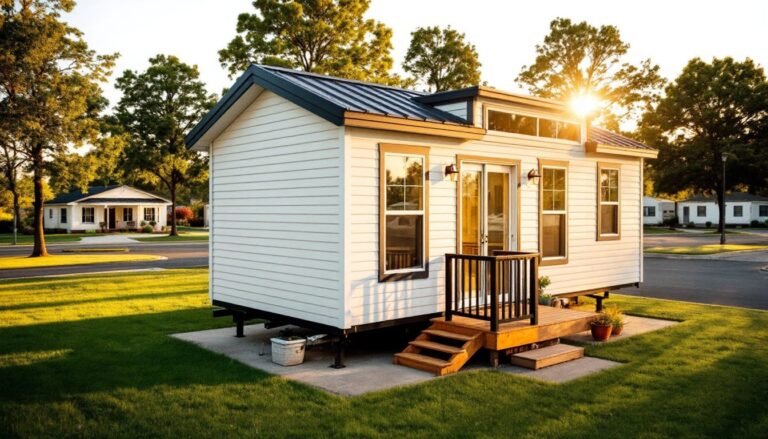
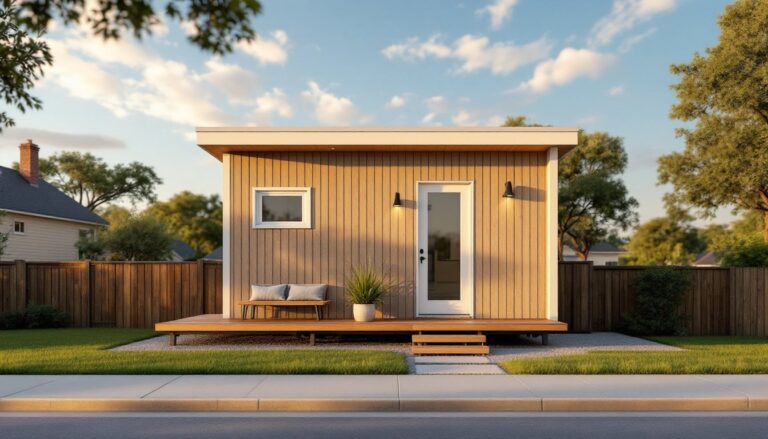
ToggleSan Antonio’s housing market has shifted dramatically in recent years, and tiny homes are at the center of that transformation. With affordability squeezing first-time homebuyers and remote work changing how people think about space, tiny houses for sale in San Antonio have become a serious option rather than a novelty. Whether you’re downsizing, starting out, or looking for an investment property, the San Antonio tiny home market offers legitimate opportunities worth exploring. This guide walks you through what’s available right now, where to find listings, what to watch for, and the practical details that separate a smart purchase from a headache.
Key Takeaways
- Tiny houses for sale in San Antonio typically range from $150,000 to $280,000, making them a practical solution for first-time buyers and remote workers seeking affordable homeownership.
- Permanent foundation tiny homes qualify for conventional mortgages with better rates, while chassis-based units require specialty financing and have lower resale appeal.
- Space efficiency and layout are critical in tiny homes—prioritize functional kitchens, livable bathrooms, and genuine bedroom separation over square footage alone.
- San Antonio’s developer-built tiny home communities on the north and east sides offer shared amenities and bulk zoning advantages worth comparing to standalone properties.
- Before purchasing, verify zoning compliance, inspect with a tiny home specialist, and budget an additional $10,000–$30,000 for customization and upgrades beyond the purchase price.
- Monthly savings on utilities, property taxes, and insurance typically offset the lower upfront cost, but resale liquidity depends on your long-term ownership timeline.
Why San Antonio Is Becoming a Tiny Home Hub
San Antonio’s appeal to tiny home enthusiasts comes down to a handful of converging factors. The city’s relatively affordable land, combined with a steady influx of remote workers, has created demand for alternative housing solutions that don’t require a half-million-dollar mortgage. Unlike some Texas metros where housing has exploded in cost, San Antonio still offers pockets of reasonable real estate, making tiny homes a genuinely practical financial move rather than just a lifestyle statement.
The community vibe matters too. San Antonio has a strong DIY and maker culture, the kind of place where people fix things, build things, and aren’t afraid to go unconventional. That attitude spills into housing. You’ll find neighborhoods and developments increasingly open to small-footprint living, and municipal attitudes toward accessory dwelling units (ADUs) and tiny home communities have warmed over the past few years.
Another driver is the city’s climate. San Antonio’s long growing season and generally mild winters make year-round tiny home living comfortable without requiring excessive heating or cooling systems. That translates to lower utility bills and fewer building complications than you’d face in colder climates where tiny homes need heavier insulation or specialized foundation work.
Current Tiny Home Market in San Antonio
The San Antonio tiny home market in 2026 reflects broader housing trends: limited inventory, competitive pricing, and a blend of new construction and renovated older small homes. Prices for move-in-ready tiny houses typically range from $150,000 to $280,000, depending on size, finishes, and location. Custom-built or highly finished units push higher, while fixer-uppers and properties in less central neighborhoods sit lower.
Inventory moves fast. A well-listed, move-in-ready tiny home in a desirable neighborhood can sell within weeks. That speed rewards prepared buyers, pre-approval, clear inspection expectations, and flexibility on closing timelines all matter. The market includes both professionally built tiny homes on permanent foundations and mobile/manufactured options, each with different financing and legal implications (covered later).
One notable trend: San Antonio has seen more tiny home communities develop on city’s north and east sides, where land costs allow developers to build multiple units on shared property. These communities often include common areas and sometimes negotiate bulk permitting or zoning variances that make the development viable. They’re worth knowing about because competition and pricing within a community differ from standalone properties.
Where To Find Tiny Houses For Sale in San Antonio
Standard real estate websites, Zillow, Realtor.com, and MLS searches, remain your primary hunting grounds. Filter for properties under 600 square feet, and you’ll surface most tiny homes currently listed. Many local MLS descriptions explicitly label units as “tiny homes” or “ADUs,” which narrows searches quickly.
Specialized tiny home networks deserve attention too. The Tiny Home Industry Association (THIA) maintains a network of builders and communities: their directory lets you find San Antonio-based developers and communities. Websites like Curbed offer guides to finding and buying tiny houses with market insights and regional listings that often include San Antonio inventory.
Local real estate agents with tiny home experience are worth interviewing. Some agents specialize in unconventional housing and know which neighborhoods accept ADUs, which lenders finance tiny homes easily, and which developments are coming online. Your local San Antonio Board of Realtors can refer you to specialists. Facebook groups dedicated to San Antonio tiny homes are surprisingly active, you’ll find community members, developers, and sometimes off-market listings shared by owners exploring sales.
Don’t overlook driving neighborhoods where you’d want to live. Scattered tiny homes exist on regular city lots, and not all hit the MLS immediately. Seeing properties in context, parking, yard space, proximity to amenities, gives you real information that photos can’t provide.
What To Look For When Buying a Tiny Home
Space efficiency matters more in a tiny home than it does in a conventional house. Tour the property (or video tour if buying remotely) and assess: Is the kitchen functional with adequate counter space, storage, and appliance size? Are bathrooms cramped or livable? Is there genuine bedroom separation or is a “bedroom” just a closet with a bed? Poor layout can make 400 square feet feel like a closet: smart layout makes 400 feel spacious.
Foundation and legal status are non-negotiable. Is the unit on a permanent foundation (real property) or on a chassis (personal property)? Permanent foundations enable standard mortgages and property tax assessments. Chassis-based units often require RV or specialty financing, limit where they can sit, and may have lower resale appeal. Check with the county assessor’s office about the specific property’s classification, misclassification creates headaches later.
Inspections are crucial. Tiny homes often feature custom or unconventional systems: propane heating, small electrical panels, or compact HVAC units. You need an inspector experienced with small homes, not someone used to 2,000-square-foot ranch houses. Ask about insulation quality, moisture management (critical in small spaces), roof condition, and plumbing access. In a tiny home, a hidden plumbing or structural issue is exponentially more disruptive than in a large house.
Zoning and deed restrictions require reading and understanding. Can the property be used as a primary residence, or is it restricted to short-term rental? Are there HOA rules limiting rentals or requiring approval for modifications? Some properties carry restrictions against permanent ADU status, limiting future owner pools. Tiny house community zoning regulations affect resale marketability and your ability to eventually rent or sell the property to future owners.
Budget-Friendly Considerations For San Antonio Tiny Home Buyers
The up-front cost of a tiny home is lower, but don’t assume everything else is proportionally cheap. Utilities are genuinely lower, heating, cooling, and water use drop significantly. Property taxes are lower on a smaller assessed value. Insurance can be cheaper, though some insurers charge premium rates for non-standard construction. The math usually favors tiny homes on a monthly basis.
Where budget awareness gets tricky: customization and upgrades. Tiny homes often feel cramped without smart storage, multi-use furniture, or finish upgrades. Buyers frequently drop $10,000–$30,000 post-purchase on built-ins, appliances, and cosmetic work. Budget for that as part of your total acquisition cost, not as an afterthought.
Location pricing varies more than you’d expect. A tiny home in a developed San Antonio neighborhood (Southtown, Lincoln Heights) runs $30,000–$50,000 more than an identical unit in an emerging area. Commute distance, walkability, and neighborhood trajectory all affect resale potential. Apartment Therapy and similar resources showcase small space makeovers that reveal how budget-conscious finishing is possible, but plan for it financially upfront.
Resale liquidity deserves thought. Tiny homes appeal to a specific buyer demographic. If you’re buying as a stepping stone to a larger house in five years, resale may be slower or harder than selling a conventional home. Buy with honest intent about how long you’ll actually live there.
Financing and Legal Aspects of Tiny Home Ownership
Financing a tiny home differs based on its legal classification. Homes on permanent foundations qualify for conventional mortgages, your standard 15- or 30-year loans through banks, credit unions, or mortgage brokers. This is the simplest path and offers the best interest rates. Lenders care less about size than about property classification and location.
Manufactured or chassis-based tiny homes face financing friction. Some lenders won’t touch them: others require RV-style financing at higher rates. A few credit unions and specialty lenders focus on tiny home financing and offer conventional-rate mortgages for manufactured units on land the buyer owns. Research lenders early, pre-approval for a tiny home isn’t guaranteed and shapes your offer strength.
Property taxes on tiny homes vary by county interpretation. Some assessors value them as real property (standard assessments on land and structure). Others classify manufactured units as personal property, which can lower or complicate taxes but also affects resale documentation. Call the Bexar County Assessor’s office and ask specifically how your target property is classified before you buy.
Zoning compliance is critical and site-specific. San Antonio has loosened ADU regulations in recent years, but not all neighborhoods permit them. Verify that the property is legally classified as it’s being sold. Non-compliant properties (an illegal ADU on a residential lot, for example) can force removal or legal action. Work with a real estate attorney familiar with tiny homes: that $500–$1,000 investment now prevents $50,000+ problems later.
Homeowners insurance for tiny homes is straightforward if the property is a standard primary residence. Shop with insurers experienced in small homes: some quote on square footage, others on replacement cost. Insuring a tiny home usually costs 20–40% less than insuring a conventional home, another genuine monthly savings. HomeAdvisor’s cost estimators and contractor guides also include insurance planning tools for various property types.
Conclusion
San Antonio’s tiny home market is real, accessible, and growing. Properties move fast, but they also reward patience and preparation. Know your financing options, confirm legal status, and inspect thoroughly. Understand your long-term goals, are you buying to stay long-term or as a stepping stone? Tiny homes work beautifully for people who want them, not for people settling because they’re cheap. Approach the purchase with that clarity, and you’ll find a property that genuinely fits your life.