Table of Contents
TogglePark model tiny homes represent one of the fastest-growing housing solutions for people seeking affordability, mobility, and simplicity without sacrificing comfort. Unlike traditional mobile homes or RVs, park model tiny homes are built to specific standards and designed for semi-permanent placement in RV parks or dedicated communities. Whether you’re exploring park model tiny homes for sale as a primary residence, vacation property, or investment opportunity, understanding what makes these compact dwellings tick is essential. This guide walks you through the fundamentals, advantages, design choices, and legal landscape of small park model homes so you can make an well-informed choice.
Key Takeaways
- Park model tiny homes typically cost $35,000–$75,000 new and feature monthly lot rent between $300–$800, making them an affordable alternative to the median U.S. home price exceeding $430,000.
- Small park model homes are built to ANSI A119.5 standards, measure 320–400 square feet, and require verification of local zoning laws before purchase since regulations vary significantly by state and locality.
- Lower utility costs, minimal maintenance, and straightforward customization make park model tiny homes ideal for budget-conscious retirees, young professionals, and remote workers seeking flexible living solutions.
- Critical design factors include ceiling height (typically 6’8″), bathroom layouts, storage optimization, and adequate ventilation to prevent moisture issues in compact spaces.
- Park model insurance typically costs $500–$1,200 annually and varies by location, making it essential to obtain quotes before purchasing to ensure comprehensive coverage and park compliance.
What Are Park Model Homes and Why They’re Gaining Popularity
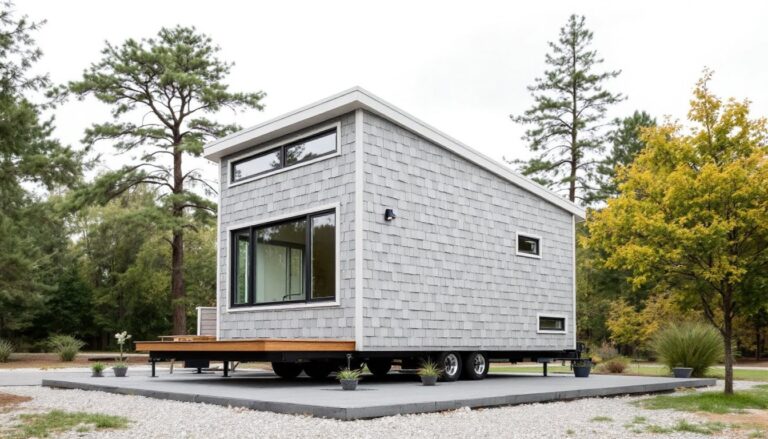
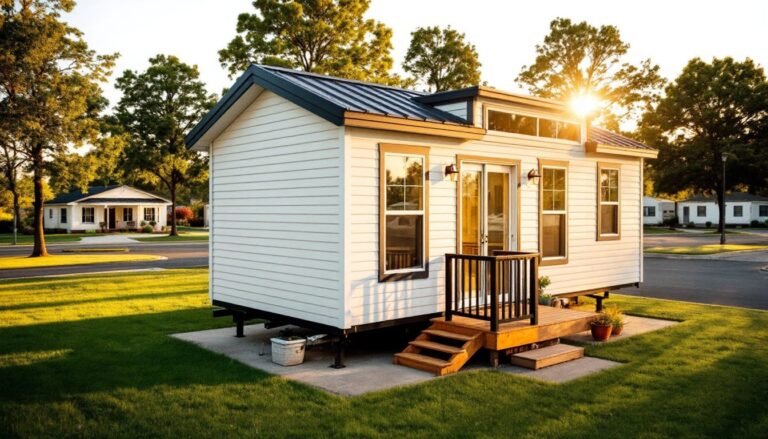
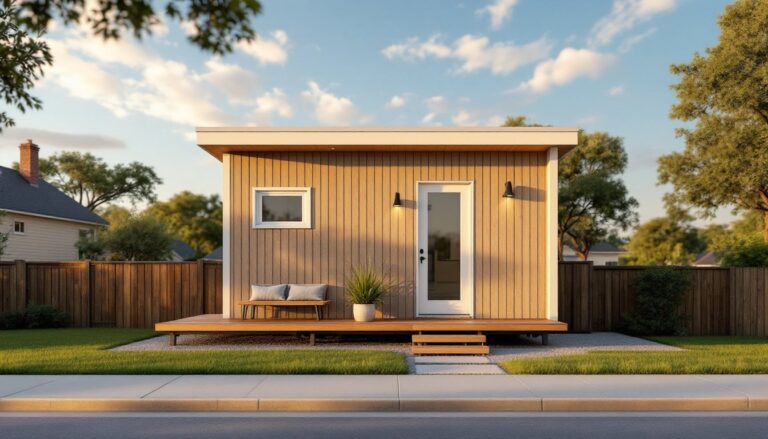
Park model tiny houses are towable recreational vehicles built to ANSI A119.5 standards, typically measuring between 320 and 400 square feet when parked. They sit somewhere between a traditional RV and a conventional house, more permanent than an RV but more mobile than a stick-built home. Built on a single chassis with a roof, walls, and integrated utilities, a park model arrives at your lot nearly complete and ready for hookup.
These dwellings appeal to retirees downsizing from family homes, young professionals entering homeownership at a lower price point, and remote workers seeking flexibility. The tiny house movement has legitimized smaller living spaces, and park models fit that trend perfectly. Unlike mobile homes, which often carry a stigma and depreciation concerns, park models hold value better because they’re treated more like RVs or cottage-style properties. Several states and municipalities now recognize park models as a distinct housing category, making them easier to park legally and finance.
Key Advantages of Choosing a Park Model Home
Affordability and Lower Ownership Costs
A park model tiny home typically costs between $35,000 and $75,000 new (used units range lower), compared to the median U.S. home price exceeding $430,000. Financing is straightforward, many lenders treat park models like RVs with secured loans at reasonable rates. Monthly lot rent in parks ranges from $300 to $800 depending on location and amenities, far less than mortgage payments on conventional properties.
Utility costs drop dramatically in these compact spaces. Heating and cooling a 400-square-foot home uses a fraction of the energy required for a 2,000-square-foot house. Many park models come with efficient appliances, LED lighting, and insulation standards that beat older mobile home designs. Over a decade of ownership, the cost difference compounds significantly, fewer square feet to heat, fewer pipes to maintain, and minimal property tax exposure in many jurisdictions.
Minimal Maintenance and Easy Customization
Smaller homes mean smaller repair bills. A leaky roof affects fewer shingles, a burst pipe impacts less plumbing, and interior updates cost proportionally less. Park model exteriors, typically vinyl siding or metal, require basic cleaning but resist rot and pest damage better than some traditional materials. Interior components like cabinets, flooring, and fixtures are manufacturer-standard and easier to source replacements for.
Customization is where park model tiny homes shine for DIYers. The compact footprint makes it realistic to tackle projects solo or with a helper. Painting an accent wall, upgrading cabinet hardware, installing floating shelves, or swapping out light fixtures takes a weekend, not months. Many owners refresh kitchens or bathrooms by replacing cabinet doors and countertops rather than ripping everything out, a manageable and budget-friendly approach that keeps the structural integrity intact.
Layout and Design Considerations for Small Park Models
Every square foot counts in a park model, so layout decisions are critical. Most units feature an open floor plan with the kitchen flowing into a dining area, living room, and bedroom separated by pocket doors or partial walls. Storage becomes a design priority, built-in cabinetry, under-bed drawers, overhead shelving, and multi-functional furniture are standard.
When evaluating park model tiny homes for sale, pay attention to ceiling height (typically 6’8″), doorway widths, and appliance dimensions. Some models use compact refrigerators and stove/oven combos, adequate but limiting for serious cooking. Bathroom layouts are tight: a 5′ × 7′ bathroom is common, requiring careful placement of the toilet, shower, and vanity. Moisture management matters in these confined spaces, so adequate ventilation (exhaust fans, operable windows) prevents mold and mildew.
Light and visual openness combat the compact feel. Models with large windows, skylights, or light-colored interior walls feel bigger. Materials like apartment decor solutions and small space living strategies highlight how strategic furniture placement and color choices expand perceived square footage. Loft-style sleeping areas or murphy beds free up daytime living space, and wall-mounted desks suit remote workers. If you’re planning renovations, consult the manufacturer’s manual before cutting into walls or moving plumbing, structural components and utility runs are tight.
Important Regulations and Legal Requirements
Park model regulations vary dramatically by state and locality, so due diligence is non-negotiable. Some states classify park models as RVs (requiring RV registration and licensing), while others treat them as dwellings (needing permanent address registration and possible property tax). A few jurisdictions don’t recognize them at all, making legal residency murky.
Before purchasing, verify that your intended lot or park permits park models. Many RV parks welcome them, but zoning in residential neighborhoods often prohibits anything with “mobile” or “removable” in its classification. Check local building codes, some areas require specific foundation systems (ground-level blocks, piers, or pads to prevent shifting) and tie-down methods. Electrical hookups must meet NEC (National Electrical Code) standards: undersized service panels or DIY wiring shortcuts invite fire hazards and insurance denials.
Insurance requirements differ from traditional home policies. Most park models fall under RV insurance or specialty dwelling coverage, typically costing $500–$1,200 annually. Some parks require proof of coverage as a lease condition. If you finance the purchase, your lender will mandate comprehensive insurance. Get quotes before buying, insurance availability and rates vary by location and model year. Recent articles on housing trends and real estate guidance underscore how important it is to understand local regulations before committing to unconventional housing types. Consult your state’s RV association or local zoning office to clarify your jurisdiction’s stance.
Conclusion
Park model tiny homes offer a practical path to affordable homeownership with lower operating costs and freedom from excessive maintenance. Whether you’re downsizing, starting out, or seeking a flexible residence, park models deliver solid value when you navigate the regulatory and design considerations thoughtfully. Research your local zoning, inspect models carefully, and connect with community members living in park model parks, they’ll share honest insights about daily life, lot quality, and management reliability. The market for park model tiny homes is maturing, and as regulations clarify, they’ll likely become even more accessible for those ready to embrace smaller, smarter living.