Table of Contents
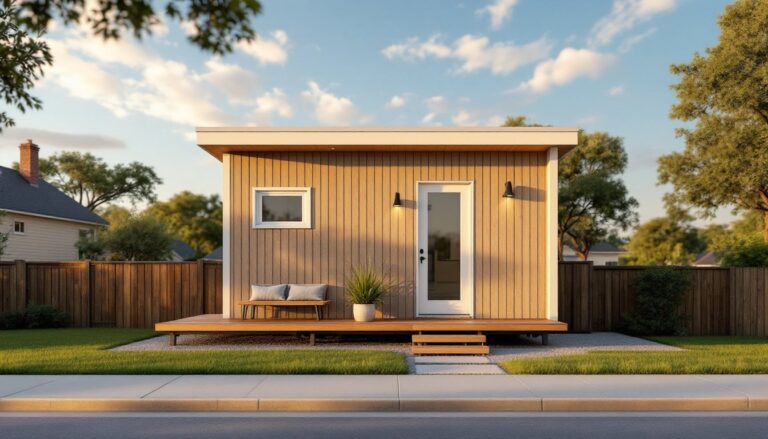
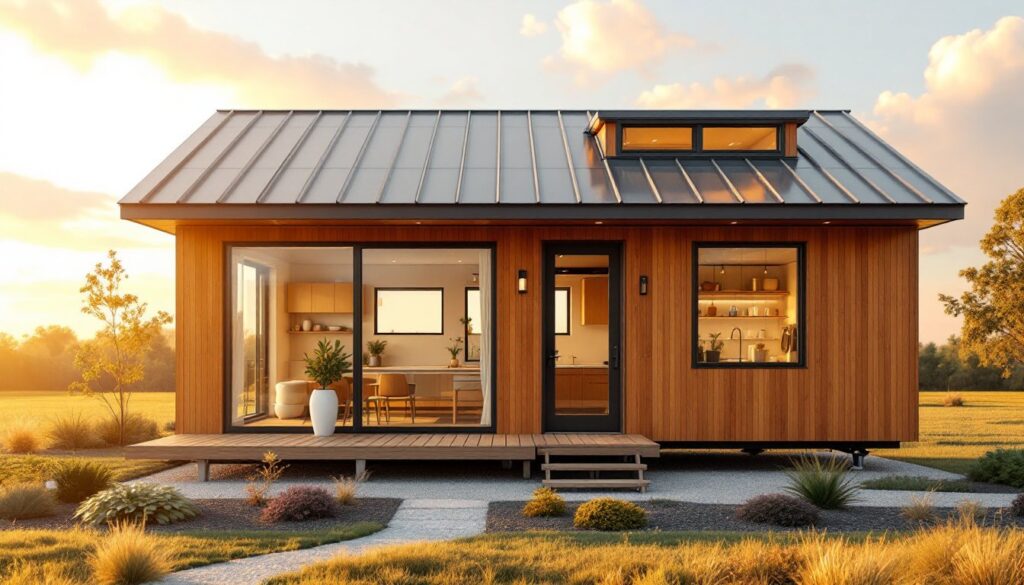
ToggleSingle story tiny homes have shifted from niche curiosity to mainstream housing solution. In 2026, more homeowners recognize the financial and lifestyle appeal of downsizing to spaces under 1,000 square feet without the complexity of a second floor. Whether you’re drawn to lower utility bills, easier maintenance, or a simpler daily footprint, single story tiny homes deliver practical benefits that go beyond Instagram aesthetics. This guide walks you through what makes these homes tick, how to design them smartly, and what DIY projects bring them to life.
Key Takeaways
- Single story tiny homes cost $100,000–$250,000 to build, delivering a 40–75% reduction compared to the U.S. median home price of $400,000, with monthly utilities running just $30–60 versus $120–300 for conventional homes.
- Single story design eliminates stairs and simplifies maintenance, reduces construction costs, and provides intentional layout efficiency that forces every square foot to earn its place.
- Ruthless layout discipline—using open floor plans, built-in storage, floating shelves, and multi-use rooms—maximizes compact floor plans without expanding the footprint.
- DIY-friendly projects like interior framing, shelving, and flooring can save significant money, though structural work, electrical, and plumbing require permits to protect resale value and safety.
- Zoning barriers and financing friction remain challenges; check local codes, work with portfolio lenders or credit unions, and locate tiny homes near jobs and amenities to accelerate resale.
- Heat Recovery Ventilators (HRV) and proper ventilation are essential to prevent moisture and mold in single story tiny homes, a commonly overlooked mechanical detail that affects long-term comfort.
Why Single Story Tiny Homes Are Gaining Popularity
Single story tiny homes sidestep a major headache: stairs. No climbing to bedrooms, no lofted sleeping areas requiring ladder access, no accessibility concerns for aging in place. That structural simplicity cuts construction costs and ongoing maintenance, fewer roof penetrations, simpler HVAC zoning, and no second-floor joists to worry about.
The financial argument is straightforward. A single story under 600 square feet costs far less to heat and cool than a 2,500-square-foot suburban home. Property taxes drop proportionally. Utilities run $40–80 per month in well-insulated tiny homes versus $150+ for conventional homes. Over a decade, that savings compounds fast.
From a lifestyle angle, single story living forces intentional design. You can’t spread clutter across two floors, so everything earns its place. Open floor plans make small spaces feel larger and simplify supervision if you’re raising kids. The walkability within a compact footprint reduces daily friction, kitchen to bedroom to workspace, all on one level.
Build times are shorter, too. A 500-square-foot single story takes 3–6 months with a DIY crew versus 12–18 months for a traditional home. Zoning ordinances in many jurisdictions treat small, single story structures more favorably, especially in rural or secondary-property contexts where setbacks and height limits are less restrictive.
Key Design Features and Layout Considerations
Single story tiny homes demand ruthless layout efficiency. Every corner counts. The entry foyer shouldn’t waste precious square footage, a mudroom doubles as storage, saving a separate closet. Kitchens pair with open dining to collapse what would be three rooms in a conventional home into one flowing zone.
Ceiling height becomes a design tool. Soaring ceilings (10–12 feet) create psychological spaciousness without extra floor area, but they increase heating volume and require taller wall framing, a trade-off worth considering. Conversely, 8-foot ceilings are standard and code-compliant: they feel cozy, not cramped, if the overall layout breathes well.
Hallways are the enemy in tiny homes. An open floor plan with defined zones (a bedroom alcove, a living corner, a workspace nook) replaces traditional hallways. Barn doors or sliding pocket doors divide space without eating clearance like a swing door would.
Storage haunts tiny home designers. Built-in shelving, under-stair drawers, and bedroom wall closets aren’t luxuries, they’re survival. Tall, shallow cabinets leverage vertical space. Pantries with pull-out shelves maximize reach. Closet rods running both high and low (72 inches and 36 inches) double usable hanger space.
Maximizing Space in Compact Floor Plans
One proven tactic is the loft approach, though it contradicts “single story” if the loft sleeps on a raised platform. If you must go vertical, ensure the loft sits over dead space, a bathroom, entry, or mechanical closet, not over living area. Building codes require minimum 7 feet 6 inches of headroom in bedrooms: a partial loft works if it’s auxiliary storage or a guest sleep area (check your local IRC chapter 3 on bedroom requirements, codes vary by jurisdiction).
Another strategy: designate one room as multi-use. A guest bedroom becomes an office with a Murphy bed or fold-out wall bed. A dining corner morphs into assignments space with a pull-down table. Furniture on casters lets you reconfigure for different activities.
Third, embrace wall-mounted everything. Floating shelves, fold-down desks, wall-hung TVs, and corner desk nooks preserve floor openness. In a 600-square-foot home, 12 inches of reclaimed wall space matters.
Cost Benefits and Financial Advantages
The math on tiny home economics is compelling. A single story tiny home costs $100,000–$250,000 to build, depending on materials, finishes, and location. Compare that to the U.S. median home price hovering near $400,000 as of 2026. You’re looking at a 40–75% reduction in purchase or build cost.
Operating costs follow suit. Insulation in a small envelope pays for itself. A 12×12-foot bedroom with R-15 wall insulation and double-pane windows loses less heat per square foot than a sprawling ranch. Real-world energy bills in well-built tiny homes run $30–60 monthly (cold climates may run $100–150 in winter), versus $120–300 for conventional homes.
Maintenance budgets shrink. Fewer square feet of roof, siding, and foundation mean fewer leak points and repairs. A 500-square-foot roof costs half the labor and materials of a 2,000-square-foot roof when it needs replacement. Septic systems, wells, and appliances are smaller-scale investments.
Property taxes correlate to assessed value. A $150,000 tiny home on a modest lot (0.25–0.5 acres) generates annual property taxes of $1,500–$3,000 in most regions, a fraction of conventional home taxes.
The catch: financing. Lenders are cautious with tiny homes under a certain square footage threshold (often 400 square feet). Conventional mortgages require appraisals that may be tricky to support for unconventional properties. But, FHA loans, portfolio lenders, and personal loans increasingly accommodate tiny homes. Costs for construction loans vary widely: expect 0.5–2% above standard mortgage rates during the build phase. Resale can be slower, a niche asset appeals to a smaller buyer pool, but pricing leverage depends heavily on location and market demand.
Building and Customization Tips for DIY Enthusiasts
DIY tiny home projects range from finish carpentry to major framing. Here’s where the handy homeowner can save real money.
Interior walls and framing: Building non-load-bearing interior walls is a straightforward task. Stud spacing at 16 inches on center is standard: mark your layout with a chalk line. Cut 2×4 studs to 92.25 inches (accounting for a 3.5-inch top plate and 1.5-inch bottom plate, plus drywall thickness). Fasten with a framing nailer or 16-penny nails (3.5 inches long). Sheath with drywall, tape, and mud, tedious but not technical. Prime with a quality primer before finish paint to avoid bleed-through on tight grain.
Built-in shelving: Floating shelves above a desk or along a bedroom wall add instant storage. Locate wall studs with a stud finder and fasten shelf brackets with 3-inch lag bolts into studs (not drywall alone, that fails under load). Shelves deep enough for books and décor run 10–12 inches: anything deeper becomes a dust trap in a small space.
Flooring: Vinyl plank or engineered hardwood are DIY-friendly and forgiving in compact layouts. Acclimate flooring to the space for 48 hours before installation. Use a moisture meter: if subfloor moisture reads above 13%, install a vapor barrier. Stagger seams at least 12 inches from wall to wall. A miter saw makes angle cuts clean: a circular saw works but often leaves tearout on finish plywood.
Cabinet modifications: Recessed cabinet doors (inset rather than overlay) save swing clearance and look polished. Soft-close hinges cost $15–30 per pair but eliminate slamming in tight spaces.
Mechanical runs: Keep plumbing and electrical tight. Plan routes before drywall goes up. HVAC ducts in a 12×20-foot living room should be sized for supply and return (code requires return air, closing a door shouldn’t pressurize a room). Consult your local electrical code (NEC) for outlet spacing: typically one outlet per 6 linear feet of wall. Kitchen counters require an outlet every 4 feet.
Don’t skip permits for structural work, electrical rough-in, and plumbing. Tiny homes on permanent foundations require inspections: so do load-bearing wall modifications. A permit costs $200–500 but protects resale value and your safety.
Challenges and How to Overcome Them
Single story tiny homes aren’t problem-free. The most common headaches are zoning, financing, and logistics.
Zoning barriers: Many jurisdictions restrict minimum lot sizes or minimum square footage for residential structures. A 500-square-foot home may fall outside code in suburbs designed for 2,000+ square footers. Rural and secondary-property zones are friendlier. Check your local planning office and IRC amendments before committing to a site. Some states (Oregon, Maine, Minnesota) have updated zoning to accommodate tiny homes: others haven’t budged.
Financing friction: Banks balk at properties below 400–500 square feet. Work with portfolio lenders or credit unions familiar with tiny homes. FHA loans exist but require appraisals that may undervalue a unique property. Keep purchase prices realistic: overleveraging a $150,000 tiny home at market rates is possible but unwise.
Resale and market acceptance: Tiny homes appeal to downsizers, millennials, and eco-conscious buyers, but not everyone. A 600-square-foot single story with one bedroom may not fit a growing family. Location is paramount. Tiny homes in established communities near jobs and amenities sell faster than isolated rural examples.
Utility and comfort trade-offs: Small spaces need excellent ventilation to avoid moisture and stuffiness. Install a Heat Recovery Ventilator (HRV) or Energy Recovery Ventilator (ERV) to exchange indoor air without losing heat. Running a standard range hood without makeup air can depressurize the house and draw in unconditioned air. In the Tiny Home Living guide, readers often overlook this mechanical detail, leading to condensation and mold.
Overcrowding: Two people in 600 square feet works if both are out during the day. Full-time, always-home cohabitation in a tiny home requires exceptional compatibility and discipline. Dedicated workspace is non-negotiable if remote work is part of the equation.
A practical workaround for space constraints: design flexible zones with folding dividers or curtains. Use creative tiny home additions like a covered porch or deck to expand usable outdoor living. In winter climates, a mudroom airlock keeps heat in and slush out, a 4×8-foot investment that pays comfort dividends.
For accessibility concerns, tiny home accessibility design becomes urgent as you age. Single story eliminates stairs, but doors, hallway widths, and shower accessibility matter. Codes typically require 36-inch interior doors and 32 inches of clear passage: aging-in-place designs prefer 36–42 inches for easier movement and future wheelchair access.
Conclusion
Single story tiny homes represent a fundamental shift in how homeowners define value. They trade square footage for financial breathing room, maintenance ease, and intentional living. The design challenges are solvable, ruthless layout discipline, vertical storage, and honest acknowledgment of your lifestyle needs go a long way. DIY projects like interior framing, shelving, and finishes let you shape the space cheaply. Zoning and financing remain obstacles in some regions, but momentum is shifting. If you’re serious about a tiny home, start with your local zoning code and a realistic budget. The payoff, lower costs, less upkeep, and a home that fits your actual life, is worth the effort.