Table of Contents
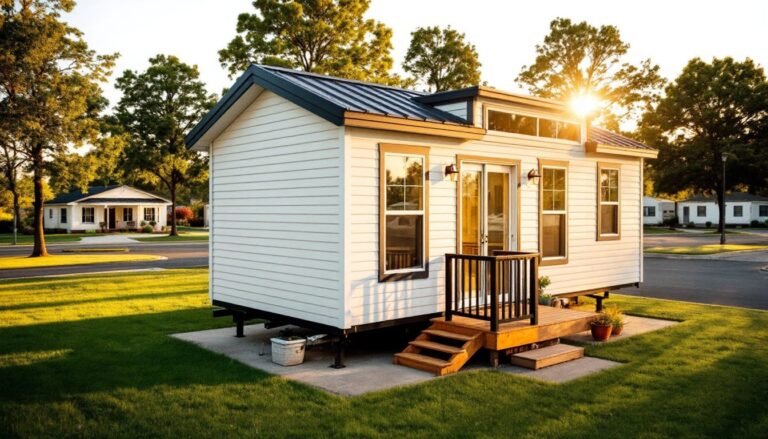
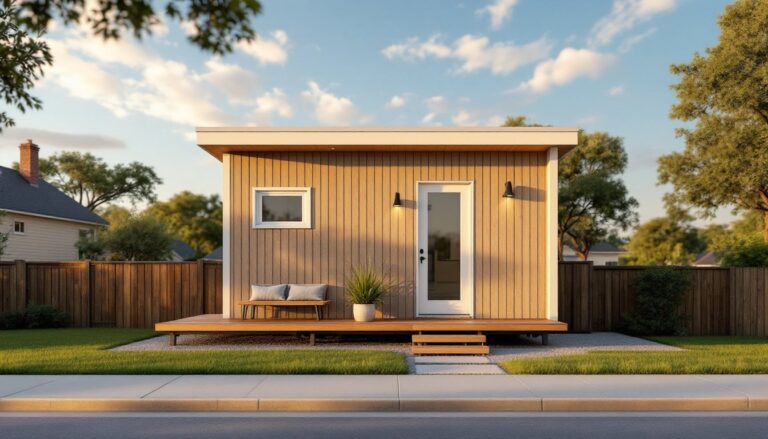
ToggleColorado Springs has become a hotspot for the tiny home movement, attracting residents who want affordable housing, lower utility costs, and a simpler lifestyle. The Mile High City’s booming population and rising real estate prices have made tiny homes an appealing alternative to traditional houses. Whether you’re a first-time buyer, a downsizer, or someone seeking a more sustainable way to live, tiny homes in Colorado Springs offer flexibility and value. This guide walks you through everything you need to know about finding, buying, and living in a tiny home in this growing market.
Key Takeaways
- Tiny homes in Colorado Springs cost 30–50% less than traditional single-family homes while offering lower utility bills, reduced property taxes, and lower carbon footprints.
- Before buying or building, verify zoning regulations with the Planning and Development Services department, as regulations vary by neighborhood and many developments restrict tiny homes through CC&Rs.
- Mortgage financing for tiny homes requires working with experienced lenders like credit unions or portfolio lenders, as many national banks treat homes under 400 square feet as personal property.
- Strategic design is essential—use open-concept layouts, vertical storage, large windows, and multipurpose furniture to transform tiny home spaces into comfortable, livable environments.
- The financial case for tiny homes in Colorado Springs strengthens over 5+ years, but factor in hidden costs like foundation work ($3,000–8,000), septic systems ($5,000–15,000), and HOA fees ($100–300 monthly).
- Northwest, northeast, and downtown Colorado Springs neighborhoods actively embrace tiny homes with varying appeals—from community amenities and schools to rural homesteading and urban walkability.
Why Tiny Homes Are Growing in Colorado Springs
Colorado Springs has seen explosive growth over the past decade, with housing prices climbing steadily. This affordability crisis has driven demand for smaller, more efficient housing solutions. Tiny homes typically cost 30–50% less than traditional single-family homes in the area, making homeownership accessible to younger buyers and those on modest budgets.
Beyond price, residents are attracted to the lifestyle benefits. Lower property taxes, reduced utility bills, and minimal maintenance appeal to both empty nesters and young professionals. Many Colorado Springs residents also value the environmental angle, smaller homes mean lower carbon footprints and less resource consumption.
The region’s outdoor culture aligns well with the tiny home philosophy. People who embrace tiny living often spend more time outdoors hiking, biking, and enjoying the natural landscape rather than maintaining large properties. Plus, Tiny Home Living: Discover shows how residents find genuine happiness in downsized spaces when designed thoughtfully.
Zoning Laws and Regulations You Need to Know
Before buying or building a tiny home in Colorado Springs, understand local zoning requirements. The city allows tiny homes under specific conditions, but regulations vary by neighborhood and district. Some areas permit accessory dwelling units (ADUs), smaller structures on existing residential lots, while others restrict them entirely.
Colorado Springs typically requires tiny homes to meet standard building codes for electrical, plumbing, and structural safety. The International Residential Code (IRC) applies, meaning your home must pass inspection regardless of size. Lot size minimums, setback requirements, and HOA restrictions also matter. Many developments have CC&Rs (Covenants, Conditions, and Restrictions) that prohibit tiny homes or mobile units.
Before purchasing land, contact the Planning and Development Services department in Colorado Springs to verify what’s allowed. Some jurisdictions require owner-occupancy or restrict long-term rentals. Getting clarity now prevents costly mistakes later. Permits are mandatory for any new construction or modifications, and hiring a local real estate attorney familiar with tiny home regulations is smart insurance.
Finding and Buying a Tiny Home in Colorado Springs
The tiny home market in Colorado Springs includes both pre-built units and land ready for custom construction. Several options exist: buying a completed home from a developer, purchasing a spec home from a builder, or buying raw land and building custom.
Developer-built communities like those in the northern areas often include amenities, shared landscaping, and consistent design standards. These communities streamline the process but offer less customization. If you want a specific layout, materials, or features, building custom on your own lot gives you control, but it takes longer and requires managing contractors.
Mortgage financing for tiny homes can be tricky. Many lenders treat homes under 400 square feet as personal property rather than real estate, affecting loan terms and rates. Work with lenders experienced in tiny home financing: some credit unions and portfolio lenders offer better terms than national banks.
Top Communities and Neighborhoods
Several neighborhoods in Colorado Springs actively embrace tiny homes. The northwest area near the Air Force Academy has emerging tiny home communities with reasonable HOAs and good schools. Northeast Colorado Springs offers more rural settings if you want land for gardens or homesteading, relevant if you’re interested in Tiny Home Homesteading: Transform Your Life with Sustainable Living.
Oldtown Colorado Springs and areas near downtown appeal to those wanting walkability and proximity to shops, restaurants, and employment. Southern neighborhoods near Briargate have newer tiny home developments with modern amenities and lower-cost options.
Check neighborhood reviews, commute times, property tax rates, and future development plans. Visit during different times of day to get a feel for traffic, noise, and community activity. Talk to existing tiny home residents about satisfaction and any hidden challenges.
Designing and Customizing Your Tiny Home
Smart design separates a cramped, cluttered space from a livable, enjoyable home. Every square foot must earn its keep. Professional designers often use open-concept layouts to maximize perceived space and flow. Removing unnecessary walls and using consistent flooring creates visual continuity.
Vertical storage is crucial, don’t waste wall space. Built-in shelving, tall cabinets, and ceiling-height storage keep clutter off the floor. Multipurpose furniture like ottomans with storage, murphy beds, or fold-down desks reduces the need for dedicated rooms.
Light matters enormously. Large windows, skylights, and light paint colors (soft whites, pale grays, warm beiges) make tiny homes feel open. Mirrors also trick the eye into perceiving more space. For custom builds, consider Tiny Home Design Software: Create Your Dream Space with Ease to visualize layouts before breaking ground.
Smart Storage and Space-Saving Solutions
Storage is the difference between loving your tiny home and resenting it. Think in layers: under-bed drawers, shelving units that maximize vertical space, and corner cabinets that capture dead zones. Kitchen design matters, ensure every cabinet has pull-out organizers, lazy susans, and stackable containers.
Transitional spaces matter too. A small entryway with hooks, cubbies, and a bench keeps coats, shoes, and bags corralled instead of scattered throughout the home. Bathroom storage, over-the-toilet shelving, medicine cabinets, and under-sink organizers, keeps essentials accessible without cluttering counters.
Decluttering is continuous in tiny homes. Adopt a one-in-one-out philosophy: buying something new means removing something old. Storage units outside the home aren’t ideal: they defeat the purpose of downsizing. Instead, design storage INTO the home. If you’re planning additions down the road, Enhance Your Space: Creative explores options like shed expansions or covered porches that add usable square footage without major renovation.
Cost Considerations and Financial Benefits
The financial case for tiny homes centers on lower acquisition and operating costs. Purchase prices range from $75,000 for used or basic models to $150,000+ for high-end custom builds in Colorado Springs (prices vary by market conditions). Land costs add significantly: raw acreage ranges from $20,000 to $100,000+ depending on location and utilities availability.
Operating costs are genuinely lower. A typical tiny home’s heating and cooling expense might run $40–70 monthly versus $120–200 for a standard home. Water bills drop proportionally. Property taxes are lower simply because assessed values are lower. Insurance costs less because there’s less structure to insure.
But, don’t underestimate hidden costs. Foundation work (gravel pads, concrete slabs, or posts) costs $3,000–8,000. Septic systems or specialized utilities in rural areas add $5,000–15,000. HOA fees in community settings range from $100–300 monthly and cover common areas, road maintenance, and reserves.
Resale value is improving but remains a consideration. Tiny homes appreciate slower than traditional homes in some markets, though Colorado Springs’ demand is helping. If you plan to stay 5+ years and live below your means, the financial math works. Short-term flips or uncertain plans make the case weaker.
Real Simple has published practical home organization strategies that work especially well in compact spaces. Curbed also frequently covers tiny home design trends and real estate insights relevant to Colorado Springs and similar markets. Also, Apartment Therapy offers inspiring small-space design solutions applicable to tiny home customization.