Table of Contents
ToggleMaine’s rocky coastlines and dense forests have long attracted people seeking a simpler life, and that appeal extends to tiny homes. Over the past decade, tiny homes of Maine have emerged as a practical solution for those tired of oversized mortgages and endless maintenance. Whether you’re downsizing after retirement, starting fresh, or looking for an affordable entry point into homeownership, Maine’s tiny home market offers real opportunities. The state’s blend of natural beauty, modest building costs, and growing community infrastructure makes it an increasingly attractive destination. This guide walks you through what you need to know about building, buying, or moving into tiny homes of Maine, from zoning rules to community options to financial realities on the ground.
Key Takeaways
- Tiny homes of Maine offer an affordable alternative to traditional mortgages, with site-built homes typically costing $80,000–$150,000 and monthly payments as low as $420 compared to $1,800+ for conventional homes.
- Maine’s climate expertise, lower land costs, and increasingly flexible zoning codes make it an ideal location for tiny home development, particularly in areas like Portland, Brunswick, and the Mid-Maine region.
- Before purchasing land or building, verify your town’s specific zoning requirements with the local planning office, as regulations vary dramatically across Maine municipalities regarding minimum lot sizes and dwelling unit definitions.
- Prioritize Maine’s climate demands during construction by investing in 6–8 inches of wall insulation, double- or triple-glazed windows, and efficient heating systems like mini-split heat pumps to handle harsh winters.
- Factor utility connection costs ($15,000–$30,000 for well, septic, and electrical work) into your budget and connect with local tiny home communities for reliable contractor recommendations and practical advice from current residents.
Why Maine Is Becoming a Tiny Home Hotspot
Maine’s appeal for tiny home living rests on several practical factors. The state has lower land costs compared to coastal states like Massachusetts or Rhode Island, meaning you can actually own property without decades of debt. Rural and semi-rural areas throughout central and southern Maine offer affordable acreage, while still being within reasonable driving distance of cities like Portland and Bangor.
The climate and landscape also matter. Mainers are already accustomed to building for harsh winters, so contractors and builders understand foundation prep, insulation standards, and weatherization, skills that directly impact tiny home quality and longevity. Local builders aren’t scrambling to figure out how to make a 400-square-foot home livable: they know the work.
Beyond economics, Maine’s regulatory environment has slowly become more flexible. Towns recognize that tiny homes can solve housing shortages and attract younger residents. Communities like Brunswick and Portland have started updating zoning codes to permit accessory dwelling units (ADUs) and small-footprint homes, removing some of the legal friction that makes tiny home projects nightmares elsewhere.
Popular Tiny Home Communities and Neighborhoods in Maine
Several established tiny home neighborhoods and manufactured communities have taken root in Maine. The Mid-Maine area, particularly around Waterville and Augusta, hosts a growing number of tiny home subdivisions marketed toward retirees and young professionals. These communities often include shared amenities, workshop spaces, community gardens, or small fitness facilities, that make sense when individual homes are compact.
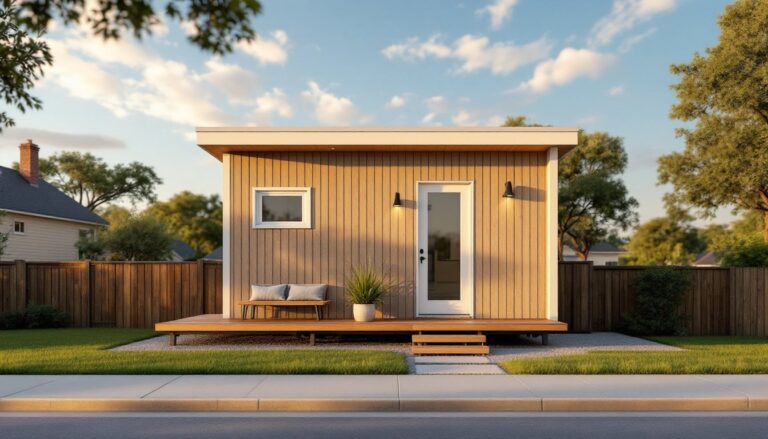
Portland and its suburbs have seen a surge in ADU developments, with homeowners adding small rental units to their properties or converting barns into tiny living spaces. The Portland area’s walkability and job market draw urban professionals who prefer a small footprint over a sprawling commute.
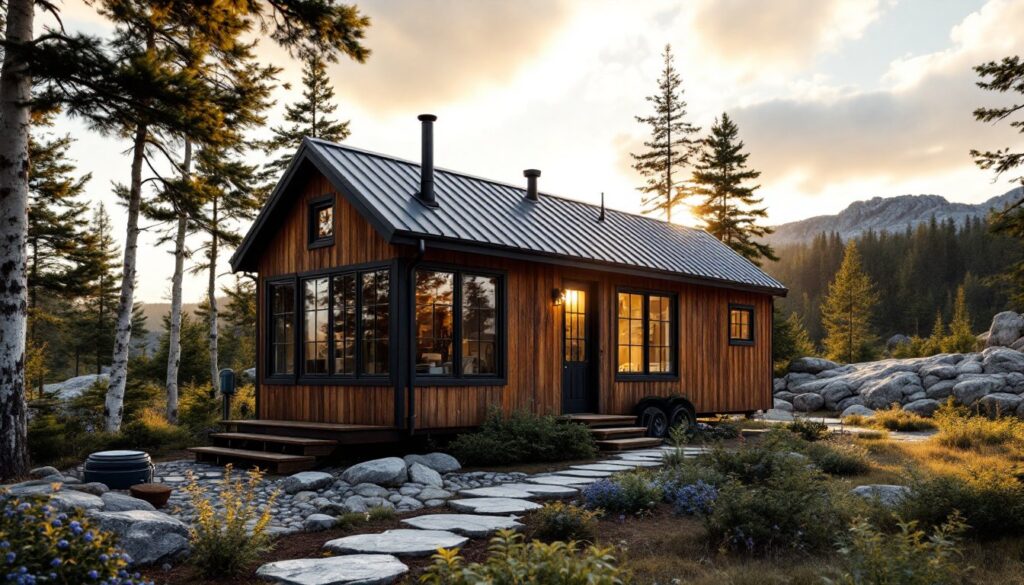
Central and western Maine, around areas like Bethel and Conway, attract those seeking genuinely remote living with a tiny home footprint. Families working remotely or entrepreneurs find that a small, efficient home leaves money for land, privacy, and the kind of views that make Maine irresistible. When considering a move, websites and local real estate agents can show you listings for tiny homes Maine that match specific regions and your lifestyle goals.
Building and Customizing Your Maine Tiny Home
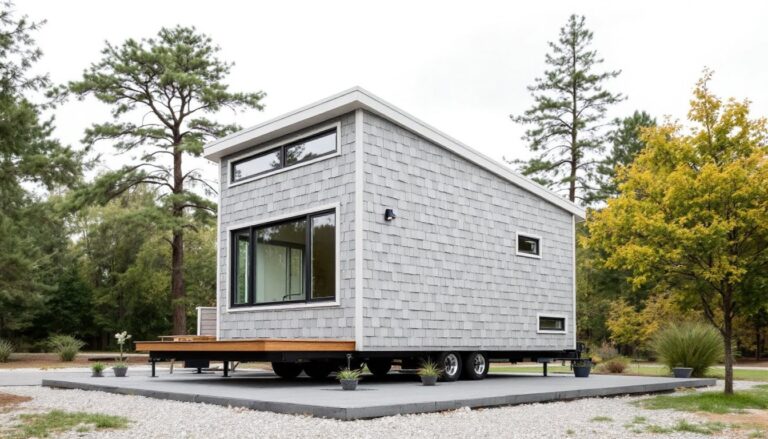
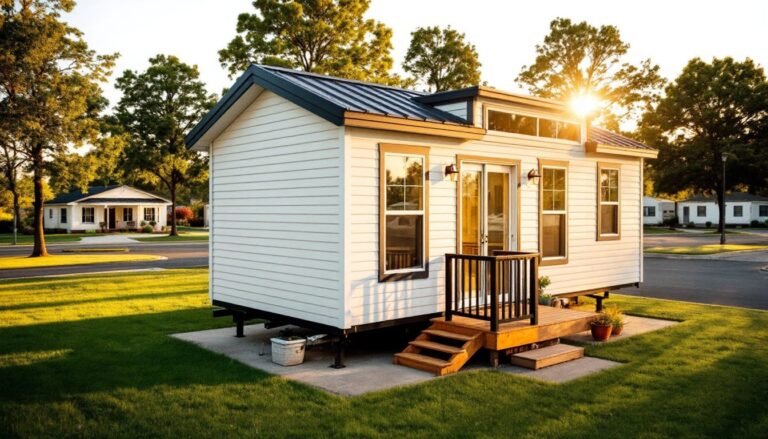
Building a tiny home in Maine means understanding what’s possible within your budget and property. Most Maine tiny homes fall into two categories: mobile tiny homes (trailers meeting HUD standards) or site-built structures. Site-built gives you more customization but requires surveying, permitting, and inspection at each stage. Mobile units arrive ready to park, though placement still requires proper site prep and utility hookup.
When customizing, prioritize what Maine’s climate demands. You’ll need 6–8 inches of batt insulation in exterior walls, standard practice for northern climates, and possibly blown-in insulation in the attic to meet building codes. Windows should be double-glazed at minimum: triple-glazing is worth considering for winter performance. Vapor barriers and proper ventilation prevent moisture buildup in tight spaces, which is critical during wet Maine springs.
For interior layout, think in terms of flow and dual-purpose spaces. A bedroom with a built-in desk eliminates furniture bulk. Kitchen islands that double as dining tables maximize utility. Open shelving and wall-mounted storage are practical, not just trendy. Use tiny home design software to experiment with floor plans before committing to materials and labor. Customization also includes mechanical systems, radiant floor heating, mini-split heat pumps, and tankless water heaters are common in Maine tiny homes because they perform well in cold climates and save space compared to traditional furnaces and water heaters.
Cost Considerations and Financial Benefits
A typical site-built tiny home in Maine runs $80,000 to $150,000, depending on finishes and complexity. Mobile units are often cheaper, $40,000 to $100,000, but come with fewer customization options and potential zoning restrictions. Land prices vary dramatically: $50,000 to $150,000 for rural Maine acreage, versus $200,000+ if you’re in or near Portland.
The financial appeal is straightforward. A $100,000 tiny home with a $30,000 down payment and $70,000 financed at 6% runs roughly $420/month in principal and interest, compared to $1,800+ for a conventional 30-year mortgage on a $350,000 home. Factor in lower property taxes on smaller homes and reduced utility bills, and you’re looking at meaningful monthly savings. Some people pay off tiny homes in 10–15 years instead of carrying a 30-year note.
But, don’t ignore true costs. Site prep, permitting, and utility connections (well, septic, electrical lines) can add $15,000 to $30,000. Financing a tiny home can be harder than financing a conventional house because banks view them as riskier assets, though credit unions and specialized tiny home lenders are expanding. Insurance is usually cheaper but not always available through standard homeowners policies.
Maine-Specific Regulations and Zoning Laws for Tiny Homes
Maine’s zoning landscape is a patchwork. State law doesn’t prohibit tiny homes, but individual towns control zoning, minimum lot sizes, and dwelling unit definitions. Some towns define a “dwelling” as needing at least 600 square feet: others have no minimum. Some allow ADUs on single-family lots: others don’t.
Before buying land or starting a build, contact the town planning office and get written clarification on zoning for your specific parcel. Ask about minimum lot size, setback requirements (how far structures must sit from property lines), permitted dwelling types, and ADU rules. Violations discovered after construction are expensive and time-consuming to fix. Many municipalities now have more flexibility, Portland’s ADU code changes make it easier, and Brunswick allows accessory dwellings in residential zones. But, rural areas can be more restrictive, or completely unzoned if you’re far enough out.
Making the Move: What Homeowners Need to Know
If you’re relocating to a tiny house for sale Maine, or buying land and building, plan for utility connections early. Maine’s water tables and geology vary. Some areas have reliable wells: others require deeper drilling ($3,000–$8,000). Septic systems are common outside municipal sewer zones and cost $5,000–$15,000 to install. Electrical service extension might be free from the utility company if you’re close to existing lines, or thousands of dollars if you’re not.
Winter preparation is non-negotiable. Test your heating system before November. Ensure pipes are insulated, heat tape is in place where needed, and you have backup heat (wood stove, space heaters, or a generator). Inspect your roof for snow load capacity, Maine winters dump significant weight, and a tiny home roof under-engineered for snow is a liability. Gutters and downspouts should direct meltwater away from foundations.
Connect with local communities. The apartment therapy and design communities online offer inspiration, but Maine-specific tiny home groups on Facebook and local meetups provide real advice from people already living the lifestyle. They’ll tell you which contractors are reliable, which towns are easier to work with, and what you actually need versus what marketing makes you think you need. Building or buying a tiny home is a commitment, making informed decisions upfront saves stress and money later.
Conclusion
Maine’s tiny homes represent a tangible alternative to conventional real estate, not a lifestyle fad. Whether you’re drawn by affordability, a desire for simplicity, or just tired of maintaining a four-bedroom house, the state offers realistic opportunities to make it work. Take time to understand your town’s zoning, work with experienced builders who know Maine’s climate, and budget honestly for all costs, land, utilities, and finishing. Your tiny home of Maine can offer exactly what it promises: lower costs, less to maintain, and more time for what actually matters.