Table of Contents
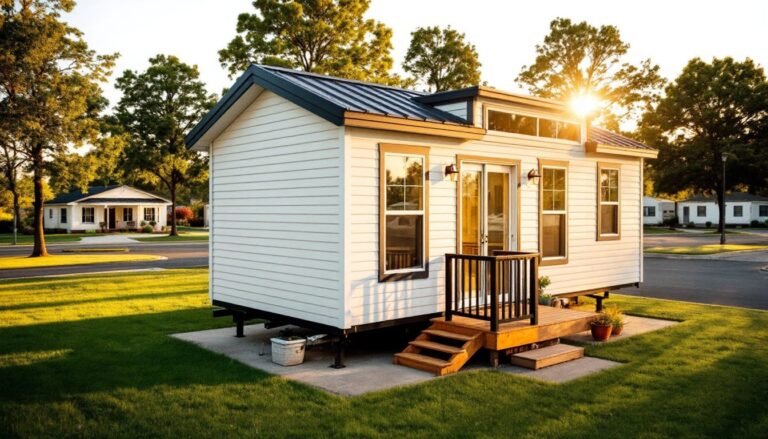
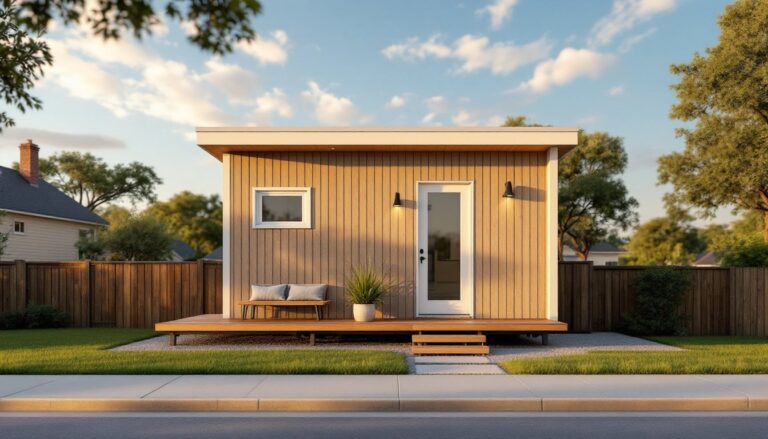
ToggleHawaii’s housing affordability crisis has sparked a quiet revolution in residential architecture: tiny homes. For decades, island residents have watched property values skyrocket, pricing out locals and young families. Tiny homes, typically 400 to 800 square feet, offer a practical solution to this reality. They’re not just a mainland trend trickling to the islands: they’re becoming a lifeline for those seeking homeownership in one of America’s most expensive real estate markets. This guide walks you through what tiny home living in Hawaii actually means, from the regulatory hurdles to the climate-specific design strategies that make island tiny homes work.
Key Takeaways
- Tiny homes in Hawaii offer a practical solution to the islands’ housing affordability crisis, with costs ranging from $150,000–$400,000 compared to the median home price exceeding $1 million.
- Hawaii’s strict building codes, expensive labor ($50–$80 per hour), and high material shipping costs add 10–15% in premiums, making careful budgeting and a 15% contingency reserve essential for tiny home projects.
- Effective design strategies for Hawaii’s tropical climate—including deep overhangs, cross-ventilation, metal roofs, and elevated foundations—reduce cooling costs and extend home durability in salt-air environments.
- Financing tiny homes remains challenging, as traditional lenders avoid them; local credit unions, community banks, and modular/prefab construction can offer more flexible options and reduce costs by 15–20%.
- Success with tiny homes in Hawaii requires upfront zoning research, securing a local architect for site-specific guidance, and allowing 6–12 months for design, permitting, and construction to avoid costly mistakes.
- Maximizing interior space through open floor plans, multi-functional furniture, vertical storage, and built-ins transforms compact layouts into livable homes without sacrificing comfort or quality of life.
Why Tiny Homes Are Gaining Popularity in Hawaii
The math is simple: Hawaii’s median home price exceeds $1 million across most islands, while construction costs run 20–30% higher than mainland averages due to shipping and labor. Tiny homes shrink that number dramatically. A well-built tiny home might cost $150,000 to $300,000, still substantial, but within reach for middle-income families and retirees.
Beyond affordability, tiny homes align with island values. Hawaiians have historically lived in close-knit communities with modest dwellings that respected the land. Modern tiny homes echo that philosophy while delivering contemporary comfort. They also appeal to environmental-minded residents: smaller footprints mean lower utility costs, less water consumption, and reduced strain on Hawaii’s already-stretched infrastructure.
Younger residents, particularly those born and raised in the islands, see tiny homes as a way to stay rather than relocate to the mainland. Local governments, recognizing this shift, have begun streamlining zoning for accessory dwelling units (ADUs) and small-lot subdivisions. Tiny Home Living: Discover explores how residents adapt to compact layouts without sacrificing quality of life.
The Challenges of Building Tiny Homes in Hawaii
Hawaii’s building code is strict, often stricter than mainland standards. The Hawaii Revised Statutes (HRS) and county-specific codes govern everything from structural requirements to energy efficiency. All projects over 200 square feet typically require permits, architectural review, and inspections. That’s essential for hurricane and seismic safety, but it adds time and cost.
Trade labor is scarce and expensive. A carpenter in Honolulu charges $50–$80 per hour: concrete work, electrical, and plumbing run similar rates. Material shipping costs are brutal: a sheet of plywood costs 40–60% more than on the mainland. Specialty items, impact-resistant windows for hurricane zones, marine-grade hardware, add up fast.
Zoning is another maze. While ADU ordinances are loosening, single-family neighborhoods often restrict them entirely. You’ll need to research your specific county (Honolulu, Hawaii County, Maui County, Kalawao County) for setback requirements, lot size minimums, and parking rules. Always consult a local architect or building official before purchasing land.
Typhoons and salt-air corrosion demand premium materials. Standard lumber won’t last: you need pressure-treated or composite decking. Metal fasteners must be stainless steel or marine-grade galvanized to resist rust. These upgrades easily add 10–15% to material costs.
Design Strategies for Tiny Homes in Hawaii’s Climate
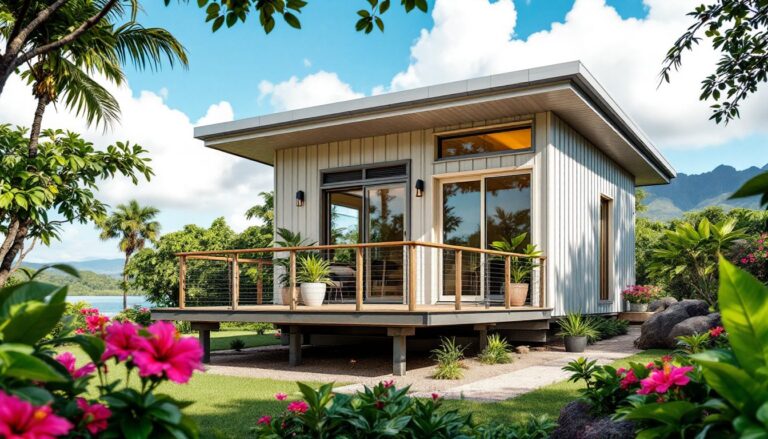
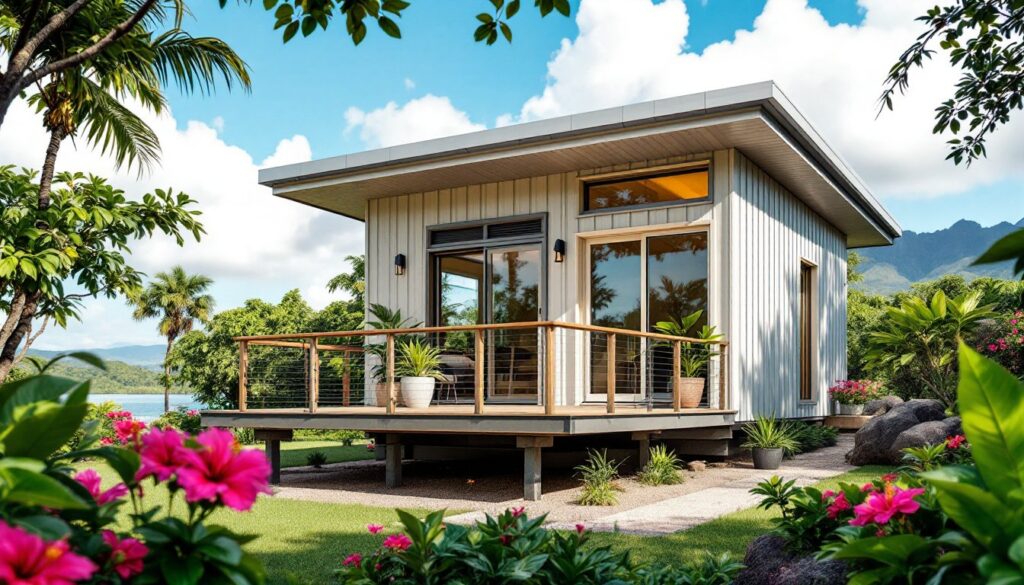
Hawaii’s humidity, tropical sun, and occasional storms require thoughtful design. Cross-ventilation is non-negotiable. Position windows and doors to capture trade winds: avoid dead-end rooms where moisture traps. A central living space with openable walls, sliding glass doors, operable louvers, keeps air flowing and reduces air-conditioning load.
Shading saves money and comfort. Deep overhangs (18–24 inches minimum) protect south and west-facing walls from solar gain. Consider porches, lanais, or pergolas as transitional outdoor spaces: they’re cheap to build and reduce interior cooling demands. Louvers and jalousies work well because they block sun while allowing airflow, though they do require maintenance.
Material selection matters. Metal roofs reflect heat far better than asphalt shingles and last 50+ years in salt air. Concrete foundations prevent wood rot common in damp climates. Interior walls of moisture-resistant drywall or fiber cement board resist mold better than standard drywall. Light colors reflect heat: choose white or pale exterior paint and light flooring.
Water drainage and ventilation under the structure prevent moisture buildup. Elevate the tiny home slightly on treated posts or a concrete stem wall rather than a solid slab: allow air circulation underneath. Install gutters and downspouts to direct runoff away from the foundation. Properly sized exhaust fans in bathrooms and kitchens, even a small 50-CFM fan makes a difference in a tight space.
Cost Considerations and Financing Options
A 600-square-foot tiny home in Hawaii typically costs $180,000 to $400,000 fully built, depending on island, materials, and finishes. Breaking that down: land ($80,000–$200,000+), structure and shell ($60,000–$150,000), plumbing and electrical ($20,000–$40,000), finishes and kitchen ($30,000–$60,000). Labor alone often runs 35–45% of total cost.
Financing is the sticky part. Traditional lenders shy away from tiny homes because they don’t fit standard appraisal models and have limited resale history. Your options include construction loans (short-term, require 20–25% down), personal loans (higher interest rates), or saving cash. Some credit unions and community banks in Hawaii are more flexible: talk to lenders early. FHA loans rarely work for tiny homes under 400 square feet.
Going modular or prefab can reduce costs 15–20%. Some builders ship components to Hawaii and assemble on-site, cutting labor hours. But, shipping costs are still steep. Essential Guide to Tiny covers systems that keep utility costs low, critical for long-term affordability.
Budget contingency. Island projects always run 10–20% over estimate. Permit delays, shipping hiccups, and surprise soil or code issues are common. Set aside 15% extra cash before breaking ground.
Maximizing Space: Interior Design Tips for Island Living
Small square footage demands every inch earn its keep. Open floor plans work best, no walled hallways, minimal doors. Living, kitchen, and dining flow together. This also keeps the air moving and makes the space feel larger. Use the ceiling vertically: tall shelving, lofted sleeping areas, and overhead storage transform 8-foot walls into usable real estate.
Multi-functional furniture is your friend. A kitchen island doubles as seating and work surface. Beds with drawers underneath store linens and clothes. Murphy beds work in Hawaii too, though humidity demands quality hardware and regular maintenance to prevent rust. Sliding barn doors take less swing space than traditional hinged doors.
Built-ins save floor space and look intentional. A bench with storage along one wall seats two and hides clutter. Recessed shelving in niches and under-stair drawers reclaim dead zones. Kitchen cabinets that reach the ceiling maximize storage without looking cramped.
Color and light matter. Light walls and pale wood flooring make tiny spaces feel bigger. Large mirrors reflect light and create depth. One accent wall in a warm tropical tone adds personality without claustrophobia. Keep clutter off counters and floors: tiny homes punish disorganization immediately. Real Simple and Apartment Therapy offer daily small-space organizing and decor tips that translate well to island living.
Getting Started: Your Path to Owning a Tiny Home in Hawaii
Start by researching zoning in your target area, county and neighborhood rules vary dramatically. Contact the county planning department and ask about ADU ordinances, minimum lot sizes, and setback requirements. Hire a local architect for a site visit: they’ll catch zoning gotchas before you spend money.
Next, secure financing. Talk to local credit unions and community banks familiar with Hawaii’s market. Get pre-approved before shopping for land: it strengthens your negotiating position and speeds the process. Budget 15–20% down plus closing costs.
Find land carefully. In Honolulu, expect $200,000–$400,000 for a half-acre lot. Big Island and Maui are cheaper but further from jobs and services. Consider utility access, does the lot have water and sewer hookups, or will you need a well and septic system? Septic maintenance in wet climates is expensive and complicated.
Once you own land, work with your architect and a local builder experienced in tiny homes and island construction. Don’t cut corners on permits or inspections. Unpermitted tiny homes are nearly impossible to sell or refinance. Factor 6–12 months for design, permitting, and building. Tiny Home Guest Suite: discusses adding guest capacity if family visits matter to your lifestyle.
Conclusion
Tiny homes aren’t a quick fix to Hawaii’s housing crisis, but they’re a real option for those committed to island living. They demand careful planning, honest assessment of your lifestyle needs, and patience with permitting and construction timelines. The upfront cost is significant, but monthly utility bills are low, property taxes are manageable, and you’ll own a home in one of the world’s most beautiful places. Start by talking to locals already living tiny, visit finished projects, and don’t rush. The right tiny home, designed and built carefully for Hawaii’s climate and regulations, can be a genuinely rewarding investment.