Table of Contents
ToggleThe tiny home movement isn’t just a trend, it’s a fundamental shift in how people think about housing, sustainability, and personal finance. Tru Form tiny homes represent a modern take on this lifestyle, blending smart design, affordability, and genuine livability into compact packages. Whether you’re downsizing, seeking a more sustainable footprint, or simply tired of oversized mortgages, understanding what Tru Form tiny homes offer can help you determine if this approach aligns with your goals. This guide walks through the practical realities: what these homes deliver, how they’re built, and whether tiny home living fits your lifestyle and budget.
Key Takeaways
- Tru Form tiny homes cost between $80,000–$150,000 compared to over $400,000 for traditional homes, with monthly housing costs often totaling just $800–$900 all-in including mortgage, taxes, insurance, and utilities.
- These prefabricated compact dwellings maximize functionality in 300–500 square feet through smart engineering like open floor plans, built-in storage, efficient HVAC systems, and durable materials that prioritize livability over budget cuts.
- Successful tiny home living requires intentional design and honest decluttering, using vertical storage, multifunctional furniture, natural light, and zoning techniques to prevent feeling cramped in small spaces.
- Before purchasing a Tru Form tiny home, research local zoning restrictions and financing options, as many jurisdictions limit ADUs and traditional mortgages often require homes over 400 square feet.
- Tiny home living suits remote workers, empty nesters, and individuals prioritizing financial freedom, but doesn’t work for large families needing separate bedrooms or those planning frequent large gatherings.
What Are Tru Form Tiny Homes?
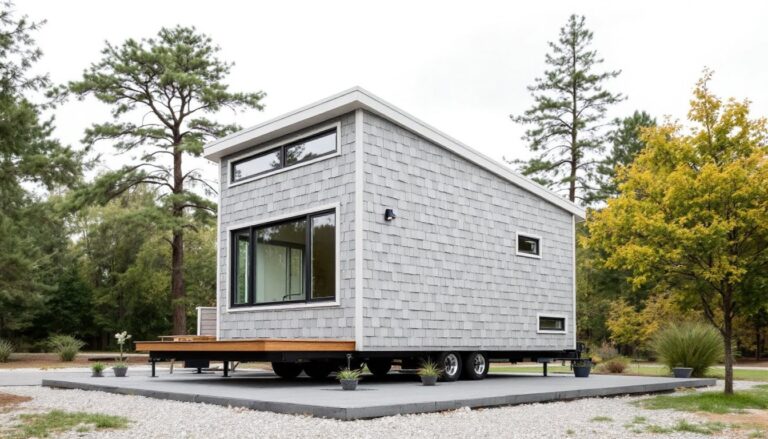
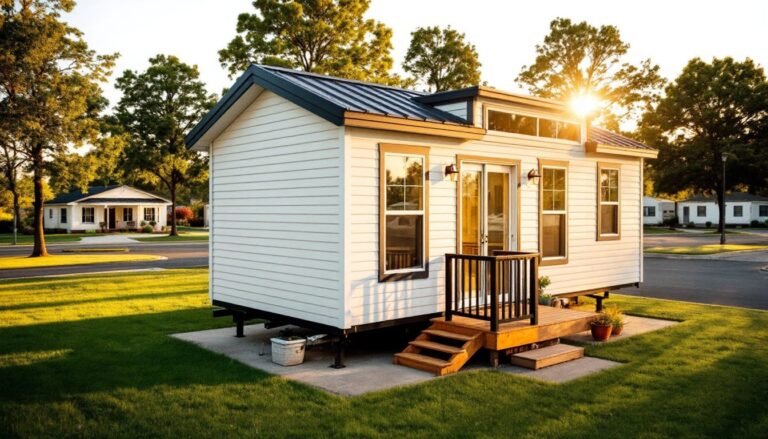
Tru Form tiny homes are prefabricated or semi-custom compact dwellings designed to maximize functionality within 300–500 square feet of living space. Unlike cookie-cutter RVs or stripped-down sheds, these homes meet standard building codes, come fully insulated and finished, and can be permanently installed on foundations. They’re built off-site in controlled factory conditions, then delivered for setup, a process that cuts construction waste and timeline compared to traditional site-built homes.
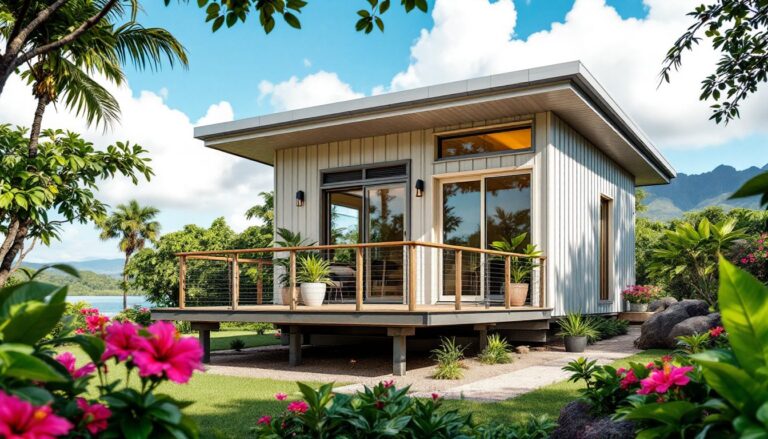
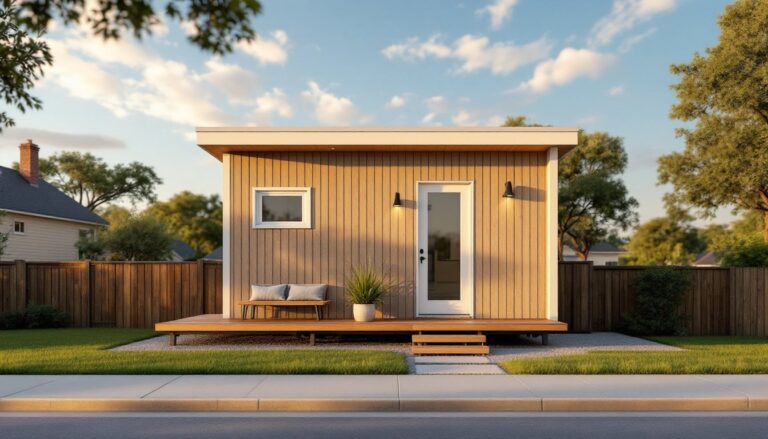
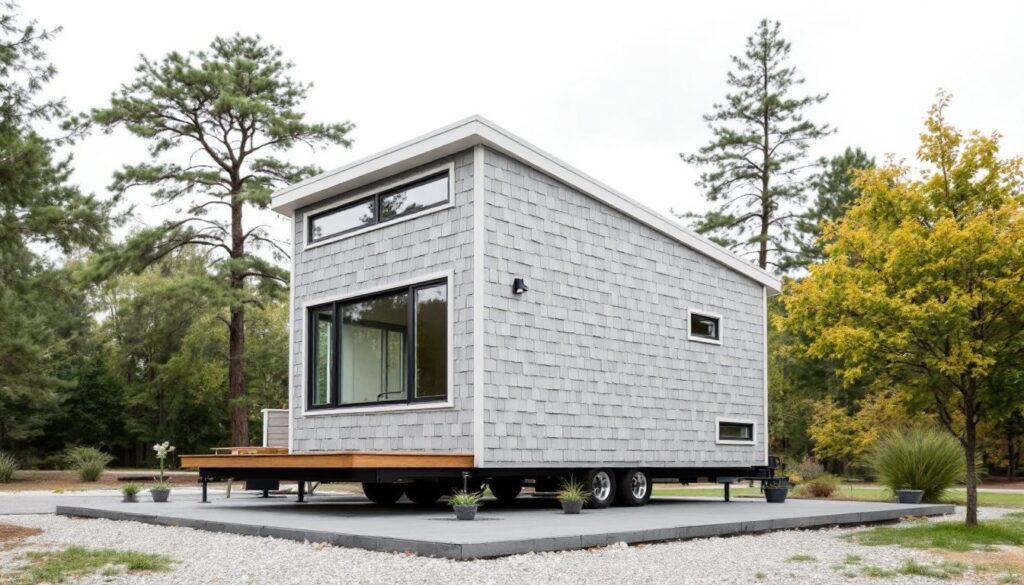
These homes come in several configurations: park models (typically towed on trailers), ADUs (accessory dwelling units that sit on existing property), and stationary tiny homes on permanent foundations. Tru Form’s approach emphasizes durability, modern materials, and thoughtful layouts rather than budget-cutting. That means real cabinetry, efficient HVAC systems, and proper ventilation, not compromises that make you regret your choice in year two.
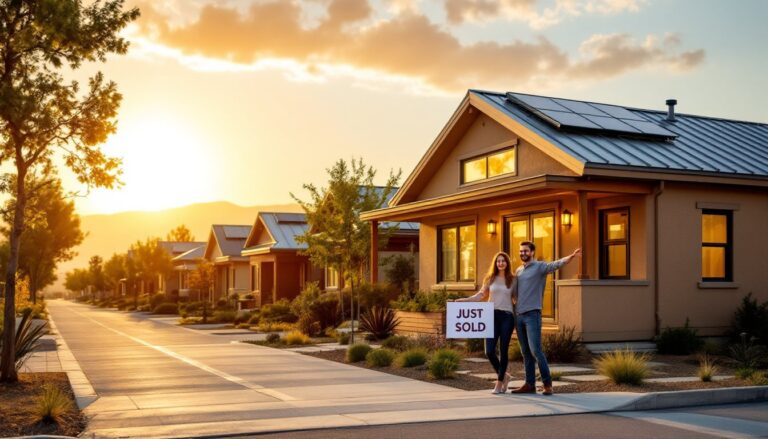
The appeal is straightforward. A typical Tru Form tiny home costs between $80,000 and $150,000, depending on customization and delivery, compared to a median U.S. home price well over $400,000. Monthly mortgage payments (or cash outlay) drop dramatically, property taxes shrink, and utility bills become manageable. But the real win? You own outright faster, freeing up money for savings, investments, or simply less financial stress.
Key Features That Define Modern Tiny Home Design
Modern tiny homes succeed because of smart engineering, not because they’re “cute.” Tru Form homes feature open floor plans that eliminate wasted hallway space, built-in storage under stairs and beds, and multi-functional furniture anchors. Kitchens use apartment-grade appliances that fit full-size dimensions into 8–10 linear feet. Bathrooms are compact but functional, with efficient fixtures that don’t sacrifice comfort.
Insulation and climate control are non-negotiable. Tru Form homes typically use spray foam or rigid insulation with R-values exceeding standard building codes. Ventilation systems (ERV or HRV units) manage humidity and indoor air quality, essential in a tight envelope where moisture can become problematic. Electrical systems follow NEC (National Electrical Code) standards, with adequate panel capacity for modern appliances and EV charging if desired.
Materials matter. Affordable tiny homes sometimes scrimp on flooring, roofing, or exterior cladding: Tru Form typically specifies durable finishes: engineered hardwood or vinyl plank flooring, metal roofing or dimensional shingles, and siding that weathers well. Windows are usually double-pane, low-E rated, and positioned to maximize natural light and passive solar gain.
Customization Options for Your Space
Buyers can customize layouts within the footprint: loft bedrooms, ground-floor master suites, office nooks, or murphy bed setups. Interior finishes, cabinetry color, countertop material, appliance finish, wall paint, often allow personalization. Exterior cladding, roof color, and deck or porch options let you match your aesthetic or landscape.
But, load-bearing walls and structural components aren’t flexible. Major changes to plumbing or electrical rough-in increase cost and timeline significantly. Most smart customizations happen within the factory’s standard offerings or through minor cosmetic tweaks. Work with the builder early to understand what’s included, what costs extra, and what requires engineering review.
Financial Benefits and Affordability
The financial argument for tiny homes is compelling and straightforward. Purchase price is the most obvious factor: a $100,000 home financed at 6.5% over 20 years costs roughly $645/month in principal and interest, versus $2,500+ for a $400,000 traditional home. Add in property taxes (often under $50/month for a tiny home on modest land versus $300+), homeowners insurance (typically $50–80/month), and utilities (often $80–120/month total for efficient design), and you’re looking at roughly $800–900 monthly housing costs all-in.
That frees capital for emergency savings, retirement contributions, or paying the home off in 5–10 years instead of 30. Maintenance costs are proportional: painting, roofing repairs, and foundation work affect smaller square footage. There’s no oversized HVAC system, excessive plumbing, or sprawling exterior to maintain.
That said, upfront costs aren’t just purchase price. Land acquisition (if you don’t own property), site prep, utilities hookup, and permitting can add $15,000–$50,000 depending on location and local requirements. Tiny homes on owned property (as an ADU or second dwelling) cost less to deploy than tiny homes requiring dedicated land purchase and development. Factor in zoning restrictions, which vary dramatically by jurisdiction and can affect resale or whether the home is even legal where you want to live.
Practical Design Tips for Maximizing Tiny Home Spaces
Living comfortably in 300–500 square feet requires intentional design and honest decluttering. Vertical storage is your friend: wall-mounted shelving, tall cabinets (reaching ceiling height to avoid wasted space), and loft beds free up floor area. Multifunctional furniture, ottomans with storage, murphy desks, nesting tables, lets you reconfigure for different activities.
Color and light have outsized impact in small spaces. Light, neutral wall colors (whites, soft grays, warm creams) feel expansive. Mirrors placed opposite windows bounce natural light deeper into the space. Large windows and skylights reduce the psychological “boxed in” feeling. Open shelving in kitchens (rather than upper cabinets) visually opens the room, though it requires disciplined organization, no clutter allowed.
Decluttering isn’t optional: it’s foundational. A tiny home forces you to own what you actually use and love. Donate or sell items that don’t earn their footprint. Rotating seasonal items (clothing, holiday decor, sports gear) in under-bed storage or a small shed keeps the living space breathing. Strategies for simple living emphasize this principle: every object must justify its place.
Zoning without walls matters. A small area rug under the sofa defines a living zone: a task lamp over a desk marks a work area. Sliding barn doors or heavy curtains can close off sleeping areas from common spaces, providing privacy without permanent walls. The goal: create distinct zones so the space doesn’t feel chaotic, even if it’s all one open room.
Is a Tiny Home Right for Your Lifestyle?
Honest self-assessment prevents buyer’s remorse. Tiny home living suits people who work remotely or outside the home, who entertain small groups rather than large gatherings, and who genuinely don’t need 10 unused bedrooms. It works well for empty nesters, couples, and individuals who value financial freedom over square footage. If you’re avoiding clutter, seeking sustainability, or transitioning to a lower-cost footprint, tiny living aligns with your goals.
It doesn’t work if you have large families needing separate bedrooms, hobbies requiring dedicated shop or studio space, or a lifestyle built around hosting extended family regularly. Some people discover claustrophobia or feel isolated in small spaces, even well-designed ones. Others struggle with the mindset shift: you can’t impulse-buy furniture or hoard items without consequences.
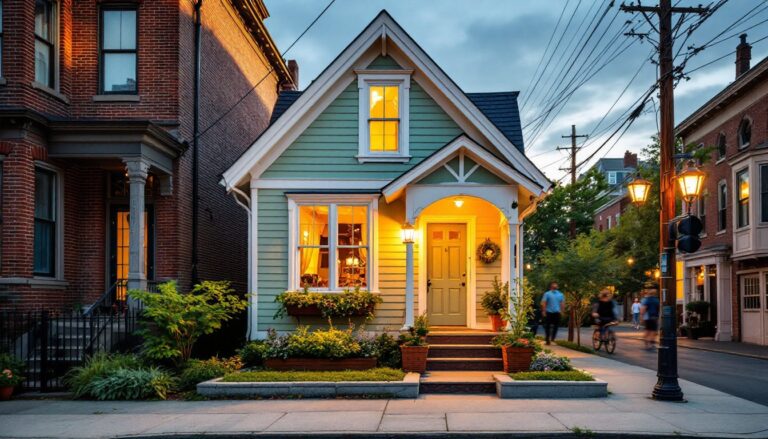
Zoning and legal considerations matter enormously. Some jurisdictions actively support ADUs and tiny homes on property: others restrict them through minimum lot sizes, deed restrictions, or HOA rules. Before committing, research local zoning codes. Tiny house community zoning regulations often dictate whether a tiny home is even permissible, where it can sit, and how it affects your long-term plans. Financing can be another hurdle, traditional mortgages often require homes over 400 square feet, so you may need personal loans or cash purchases.
Try before you buy. Rent a tiny home for a month or spend a week in one. Talk to current owners about reality versus marketing. space-saving solutions from real tiny homes to see how others handle challenges. The dream is appealing, but lifestyle compatibility determines whether it’s sustainable long-term.
Conclusion
Tru Form tiny homes offer a genuine pathway to affordable, sustainable living, if they match your lifestyle and local regulations. They’re not budget housing pretending to be desirable: they’re thoughtfully designed, properly built dwellings that prioritize functionality and durability. The financial case is strong: lower purchase price, minimal monthly costs, and accelerated payoff free up resources for what matters most to you.
The key: research thoroughly, understand local zoning, and honestly evaluate whether compact living aligns with your habits and family needs. Done right, a tiny home delivers independence and simplicity. Done without planning, it becomes a costly mistake. Start by visiting local tiny home communities, talking to builders, and imagining daily life in the footprint. The tiny home movement is here to stay, whether it’s right for you depends on doing the assignments first.