Table of Contents
ToggleThe tiny home movement isn’t just a trend, it’s a practical response to housing costs that keep climbing. A tiny home under $50K offers something increasingly rare: genuine affordability paired with ownership, not years of saving for a down payment on a conventional house. Whether you’re downsizing, seeking financial freedom, or looking for a sustainable lifestyle, tiny homes under $50K present a realistic path forward. This guide walks you through what’s actually available, where to find it, and what you need to know before making the leap.
Key Takeaways
- Tiny homes under $50K eliminate years of mortgage payments and can reduce monthly expenses by 50% or more, making homeownership accessible to first-time buyers priced out of conventional housing.
- Popular affordable options include shipping container homes ($25K–$40K), modular designs ($35K–$50K), and traditional site-built tiny homes ($30K–$45K), each offering different levels of customization and speed to completion.
- DIY tiny home building can save 20–40% on labor costs, but electrical, plumbing, and permits must meet strict codes and require licensed professionals to ensure safety and future resale viability.
- Zoning laws, land infrastructure costs (septic, well, or off-grid systems adding $3K–$15K), and transportability challenges are critical factors that must be researched before purchasing land or a tiny home.
- Test the tiny home lifestyle by renting for a month before buying, as the shift to 400 square feet affects storage, entertaining, and personal space expectations dramatically compared to conventional homes.
- Financing is becoming easier as banks become less hesitant to lend on tiny homes, though mobile tiny homes may require RV loans with higher rates, making upfront discussions with lenders essential.
What Makes Tiny Homes Under $50K So Appealing
The math is straightforward: a mortgage on a $50K tiny home is dramatically easier to manage than one on a $300K conventional house. You’ll own the structure outright sooner, freeing up monthly cash for life instead of bank payments. Beyond finances, tiny homes force intentional living, you can’t accumulate clutter if you don’t have space for it.
Sustainability is baked in. A smaller footprint means lower heating and cooling costs, less water consumption, and minimal maintenance. Many people reduce their monthly expenses by 50% or more after moving into a tiny home. The appeal also attracts young professionals, retirees, and families seeking simpler lives without the sprawl of traditional homes.
There’s a psychological shift, too. Owners often report less stress, clearer priorities, and stronger community connections, especially in tiny home neighborhoods. Tiny Home Living: Discover the tangible benefits of downsizing, reduced utilities, lower property taxes in many jurisdictions, and the mental clarity that comes with owning less.
The affordability makes tiny homes accessible to first-time buyers who’d otherwise be priced out of homeownership entirely. You’re not just buying shelter: you’re buying freedom.
Popular Styles and Design Options for Budget-Friendly Tiny Homes
Under $50K, your main design categories are traditional fixed tiny homes, expandable designs, and modular structures. Traditional fixed tiny homes are single-unit dwellings on foundations or trailers, no frills, solid functionality. Expandable designs use slide-outs or fold-down sections to increase living space without permanent size increases.
Shipping Container and Modular Designs
Shipping container homes dominate the sub-$50K market. A repurposed 20-foot container provides roughly 160 square feet of raw space: two containers side-by-side give you 320 square feet. The structure is already there, you’re paying for insulation, interior finishing, plumbing, and electrical work. Costs typically run $25K–$40K fully finished, depending on location and finishes.
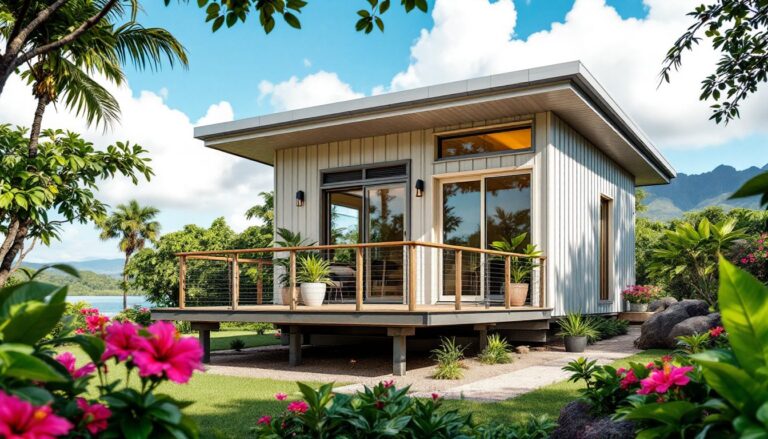
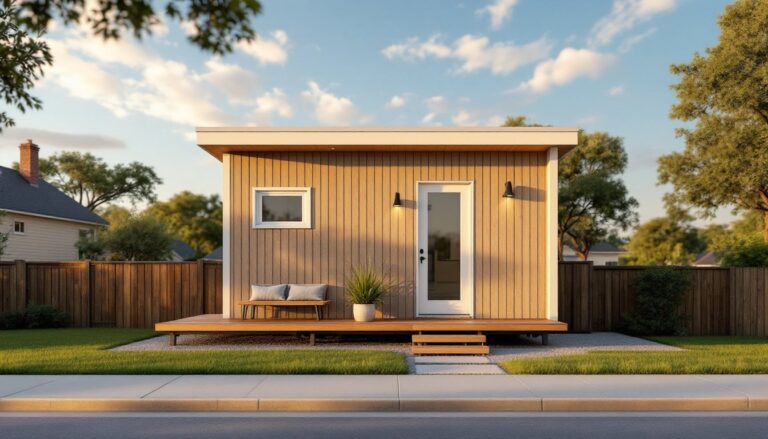
Modular tiny homes, built off-site and delivered complete, offer quality control impossible with on-site construction. Factory-built units bypass weather delays and site complications. Prices range from $35K–$50K, and you’re moved in within weeks rather than months.
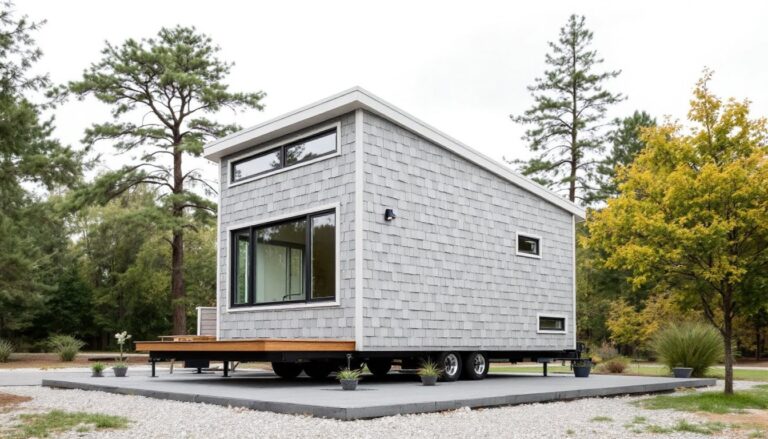
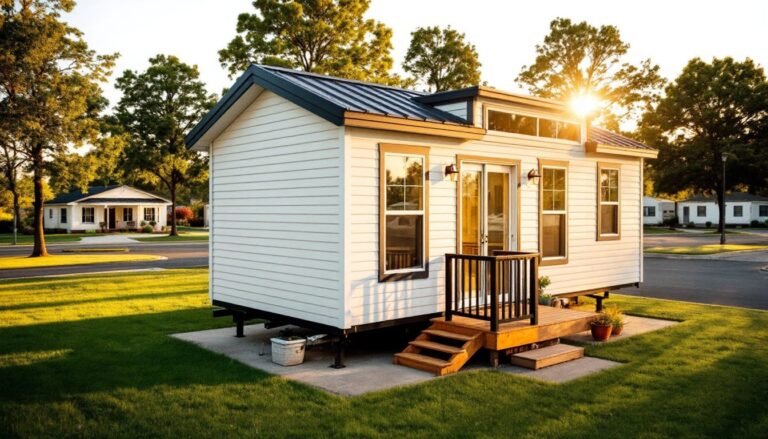
Traditional site-built tiny homes (12′ × 40′ on a trailer or permanent foundation) cost $30K–$45K and are the most customizable option. Tiny Home Design software helps you visualize layouts before committing to a builder. Stick-framed construction is familiar to most contractors, so sourcing labor is easier than with container homes.
Finding and Purchasing Affordable Tiny Homes
Your sourcing options break into three lanes: pre-built models from established builders, kit homes you assemble yourself, and custom builds from local contractors.
Where to Source Pre-Built Options and Kits
Pre-built tiny homes come from builders specializing in sub-$50K models. Look for companies with transparent pricing, no hidden permits or delivery fees buried in fine print. Ask directly: Does the price include delivery? Setup on your land? Utility connections? These add thousands fast.
Kit homes ship you components and plans: you handle assembly or hire local help. Companies like ImproveNet connect you with contractors experienced in kit assembly. Kits cost less upfront ($20K–$35K) but demand more labor.
Local contractors offering tiny home builds are often overlooked. A builder in your area who’s built a few tiny homes understands local zoning, can source materials affordably, and doesn’t charge shipping. Post on community forums, check Angi for reviews, and ask to tour completed projects.
Land is your second major cost. Many people source land through farm family connections, auctions, or rural county listings, often under $10K in less dense regions. Tiny House Community Zoning explains how zoning laws affect where you can legally place a tiny home. Research local regulations before buying land or a home: some jurisdictions restrict tiny homes or require lengthy variances.
DIY Tiny Home Building: Save Even More
Building your own tiny home under $50K is absolutely possible if you’re willing to invest sweat equity. A foundation, framing, roof, and basic systems can be completed by a dedicated team without professional contractors, you’ll trim 20–40% off labor costs.
Start with a clear design: a 12′ × 24′ footprint (288 sq. ft.) is the sweet spot for owner-builders. Larger requires more structural engineering: smaller feels cramped quickly. Use free or low-cost design tools and planning software to nail layouts before buying a single board.
Source materials methodically. Lumber yards offer better pricing than big-box stores for bulk buys. Reclaimed materials (flooring, fixtures, doors) shave hundreds off finishes. Salvage yards are goldmines if you’re patient.
DIY works best for non-electrical, non-plumbing systems. Framing, roofing, insulation, drywall, and basic finishing you can learn and execute. Electrical and plumbing almost always require licensed professionals, codes are strict, inspections are mandatory, and mistakes create safety hazards. Building permits are non-negotiable: they exist because unpermitted structures become liabilities when you sell or if disaster strikes.
Enhance Your Space: Creative additions later, many owner-builders start minimal and expand functionality once the core structure is solid. Community forums and YouTube channels dedicated to tiny home builds show real timelines and genuine costs.
Essential Considerations Before Buying
Zoning and legality are non-negotiable. Tiny homes are illegal in many residential zones: others allow them only in designated communities. Before spending a dime, contact your county assessor and zoning board. Get written confirmation that a tiny home is permitted on your land or in your intended community. This step alone prevents catastrophic mistakes.
Infrastructure matters immensely. Does your land have access to city water and sewer, or will you need wells and septic systems? Septic installation runs $3K–$8K: wells add another $3K–$5K. Off-grid systems (solar, composting toilets, rainwater collection) add $8K–$15K. These costs can blow your budget if you’re not prepared.
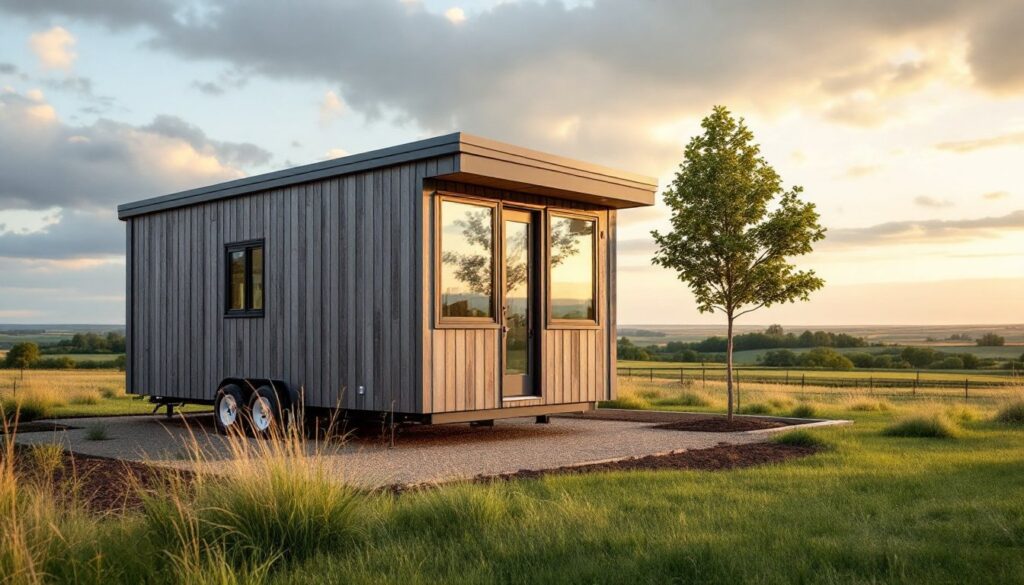
Transportability is crucial if you’re buying a mobile tiny home. Can your land handle a 40-foot delivery truck? Are roads adequate? Some rural properties require grading or bridge reinforcement. Get a professional site assessment, it costs $300–$500 and prevents $5K+ in surprise costs.
Resale and financing deserve thought. Banks hesitant to finance tiny homes are becoming less common, but some lenders still avoid them. RV loans cover mobile homes but carry higher rates. Conventional mortgages for permanent tiny homes are easier to secure. Ask lenders upfront before committing to a build.
Community and lifestyle: Living tiny works brilliantly for some and frustrates others. Rent a tiny home for a month if possible, or spend extended time in one before buying. Tiny Home Guest Suite experiences let you test the lifestyle. Storage, parking, entertaining, and personal space expectations shift dramatically at 400 square feet versus 2,000.
Insurance and property taxes vary wildly by location and home type. A mobile tiny home on rented land has different tax implications than an owned lot. Get quotes before finalizing your decision.