Table of Contents
ToggleLouisiana’s housing market is shifting. While traditional single-family homes still dominate, tiny houses are carving out a real niche, especially in rural areas and emerging urban micro-communities. If you’re considering a tiny house in Louisiana, you’re looking at a lifestyle change wrapped in practical economics. Lower utility bills, minimal property taxes, and freedom from a 30-year mortgage are genuine draws. This guide walks you through finding, evaluating, and purchasing a tiny house in Louisiana, from understanding the local market to navigating financing and spotting hidden issues before you commit.
Key Takeaways
- Tiny houses for sale in Louisiana range from $30,000–$60,000 for factory-built units to $80,000–$150,000 for custom site-built homes, plus land costs of $5,000–$20,000+ per acre depending on location.
- Zoning restrictions remain the biggest challenge when buying tiny houses in Louisiana; always verify with your municipality and county planning department before making an offer, as many parishes haven’t updated ordinances to permit them on standard residential lots.
- Financing tiny houses requires non-traditional options like construction loans, personal loans, or in-house builder financing, since most lenders won’t offer 30-year mortgages for homes under $50,000.
- Before purchasing, hire a licensed inspector experienced with tiny houses, confirm flood zone status, review HOA bylaws if in a community, and spend time in similar layouts to ensure the space works for your daily lifestyle.
- Lower utility bills, reduced property taxes, and freedom from 30-year mortgages make tiny houses economically appealing, while smaller maintenance and insurance costs add further long-term savings in Louisiana’s humid climate.
- Resale potential for tiny houses is strongest in established micro-communities with clear legal zoning support, as buyer pools remain smaller than for conventional homes.
Why Tiny Houses Are Gaining Popularity In Louisiana
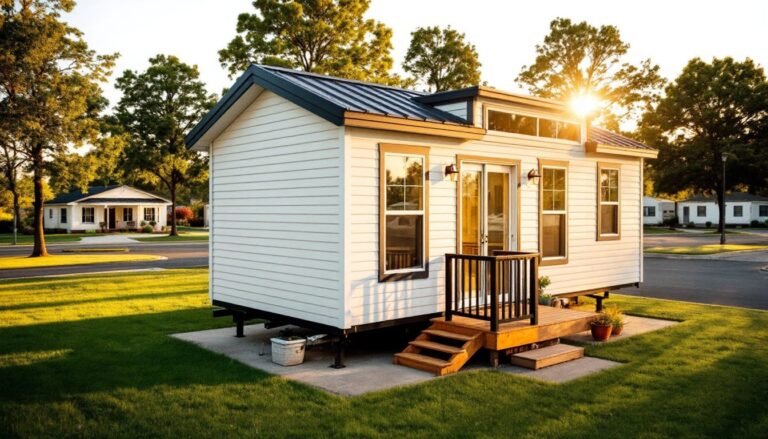
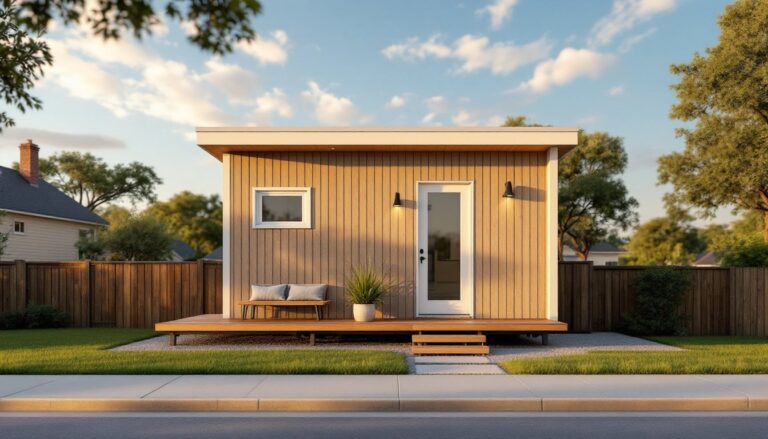
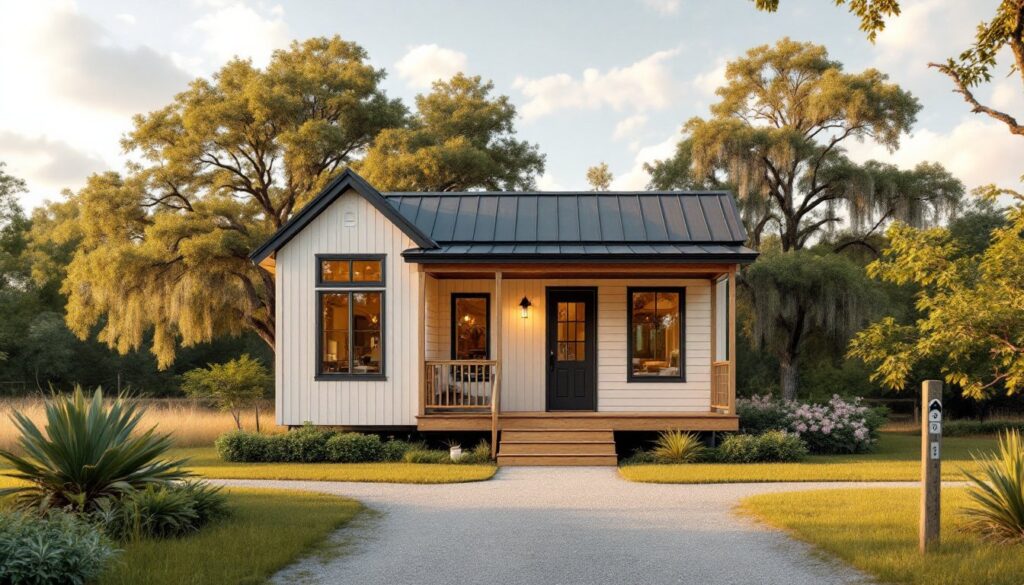
Tiny houses, typically 400 square feet or smaller, offer something traditional homeownership doesn’t: simplicity and affordability. In Louisiana, where humidity, flooding, and seasonal repairs can add up fast, smaller spaces mean smaller repair bills and lower insurance costs.
The economics are straightforward. A 300-square-foot tiny house costs far less to heat and cool than a 2,000-square-foot ranch. Property taxes scale with assessed value, so a $80,000 tiny house home generates a fraction of the annual tax burden of a $250,000 conventional home. For buyers ages 25–40 and retirees downsizing, that math is compelling.
Cultural shifts matter too. Remote work means you don’t need to live near a job center. Families are experimenting with co-housing and micro-communities. Environmental concern drives interest in smaller carbon footprints. Louisiana’s abundant rural land and lower building costs make it an attractive landing spot compared to tiny house markets in California or the Northeast.
Even though the appeal, zoning remains the real friction point. Many Louisiana municipalities haven’t updated ordinances to permit tiny houses on standard residential lots. Some counties allow them only in designated communities or on agricultural land. This is where knowing your specific locale, parish and municipality, becomes critical before you start shopping.
Where To Find Tiny Houses For Sale Across Louisiana
Online Marketplaces And Real Estate Platforms
Start with mainstream listing sites. Zillow, Realtor.com, and Trulia let you filter by price, location, and square footage. Set your search to homes under 500 square feet and focus on rural parishes where zoning tends to be more permissive. Don’t assume every “tiny” listing is actually tiny, some realtors market small manufactured homes or cottages under the tiny house label.
Specialist platforms are worth checking. Websites dedicated to tiny house sales, though less established than major brokers, aggregate listings from builders and individual sellers. Social media, particularly Facebook groups dedicated to Louisiana tiny houses, connects buyers directly with builders and existing residents. These communities often include current owners willing to share honest feedback about specific properties and neighborhoods.
Research online but verify locally. A listing might claim a home sits on permitted land, but zoning maps and municipal records don’t lie. Pull county assessor records and call the local planning department. You’ll uncover discrepancies between what a seller claims and what the law actually allows.
Local Builders And Developers
Many Louisiana builders specialize in tiny homes, especially in parishes with established micro-communities. A reputable builder should provide references, show you similar completed homes, and clarify what’s included in the purchase price, site prep, foundation, utilities, or just the structure.
Builders offer advantages over buying used: custom layouts, modern materials, and transparent timelines. The trade-off is cost and customization limits. Factory-built tiny homes (manufactured under HUD standards) cost less upfront but come with fewer design choices. Site-built tiny homes (constructed on-site using traditional framing) cost more but offer unlimited layouts.
When meeting with builders, ask about post-sale support. Tiny house construction often involves non-standard framing, plumbing, and electrical work. You’ll want a builder who stands behind their work and responds when something fails. Get everything in writing: delivery timeline, warranty terms, and any exclusions.
Cost Considerations And Financing Options
Tiny house prices in Louisiana range widely. A basic factory-built unit runs $30,000–$60,000. A custom site-built tiny home lands between $80,000–$150,000 depending on finishes and land. Add land costs, anywhere from $5,000 per acre in rural parishes to $20,000+ in areas near towns, and your total investment climbs quickly.
Financing tiny houses isn’t straightforward. Traditional 30-year mortgages require a minimum loan amount: many lenders won’t touch anything under $50,000. Options include construction loans (if building), personal loans, RV loans (for manufactured units), or cash purchases. Some builders offer in-house financing, but terms vary widely. Always compare APR and total interest paid over the loan term.
Downpayment expectations differ by lender. Conventional mortgages demand 10–20% down. Personal loans might require 0% down but carry higher interest rates. Manufactured home loans typically sit in the middle at 10–15% down and rates slightly above conventional mortgages.
Don’t overlook ongoing costs: property taxes, homeowner insurance, HOA fees (if in a community), and utilities. Insurance for tiny houses can be cheaper than traditional homes but verify coverage limits with your insurer. Some insurers treat factory-built homes differently, which affects premiums. Budget conservatively and request quotes from at least three insurers before finalizing your purchase.
What To Evaluate Before Purchasing A Tiny House
Treat tiny house inspections with the rigor you’d give any home purchase. Hire a licensed inspector, ideally one with tiny house experience. Factory-built homes have different failure modes than site-built ones. Check foundation integrity (settling cracks indicate structural issues), roof condition (leaks are amplified in small spaces), and plumbing and electrical systems (non-standard layouts can hide defects).
Zoning and permits are non-negotiable. Before making an offer, confirm that the parcel’s zoning ordinance permits tiny houses. Request proof of permits from the seller, a “permitted by the county” claim needs documentation. If the home sits in a community, review HOA bylaws and any restrictions on resale or modifications. Call the municipality directly: sellers sometimes misrepresent zoning status.
Site conditions matter. Flood maps show historical and projected flood risk. Louisiana’s topography and hydrology mean some land floods seasonally: others are in 100-year floodplains. Flood insurance requirements and costs depend on your zone. Talk to neighbors about drainage and water intrusion, they have real experience no inspection report captures.
Space and livability are subjective but worth testing. Spend time in similar layouts before committing. Walk through the kitchen during meal prep. Check shower and toilet dimensions. Open and close doors and windows. In tiny houses, a few inches of counter space or a poorly-placed door can make daily life frustrating. Research tiny house communities in zoning-friendly areas to understand what works before you’re locked into a specific home.
Build quality and materials reveal themselves over years. Ask the inspector about thermal bridging, wall assembly, and moisture barriers, details that affect comfort and durability in Louisiana’s humid climate. Budget-friendly tiny houses often cut corners on insulation, ventilation, or siding. You’ll pay more upfront for proper construction but avoid expensive repairs later.
Finally, resale potential matters. Tiny house markets are growing but remain niche. Buyer pools are smaller than for conventional homes. Location, zoning clarity, and community amenities significantly impact resale value. A tiny house in a well-established micro-community with legal zoning support will appreciate or hold value better than an isolated property with murky permit status. Resources like Southern Living’s tiny house coverage and Curbed’s national tiny house listings showcase thriving markets: use them to gauge what’s working elsewhere and what might work in Louisiana.
Conclusion
Buying a tiny house in Louisiana is achievable but requires assignments. Know your local zoning, verify permits, understand financing limits, and inspect thoroughly. The payoff, lower costs, simpler maintenance, and freedom from a massive mortgage, appeals to many. Take your time, ask hard questions, and don’t skip any step. A solid foundation now means decades of worry-free tiny house living.