Table of Contents
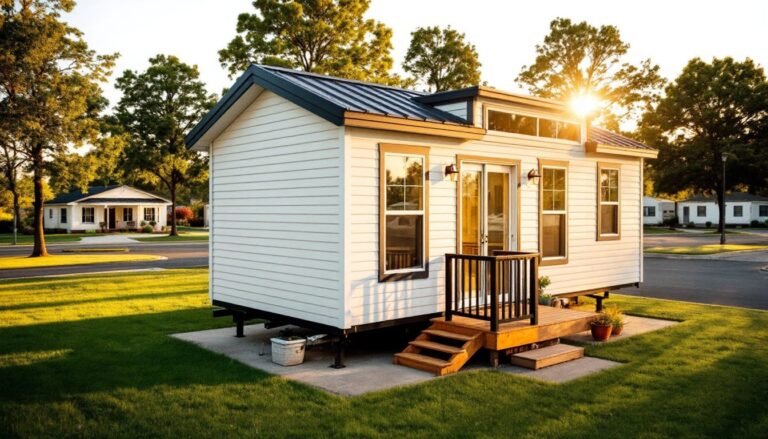
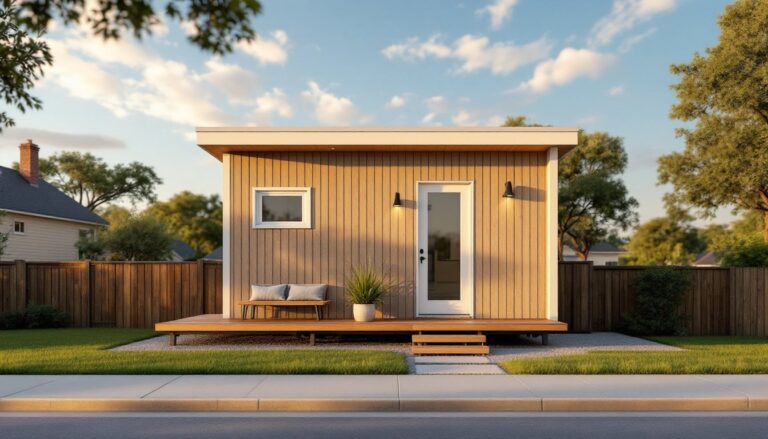
TogglePennsylvania’s tiny house market is booming, and it’s not just a trend for minimalists anymore. From the rolling hills of Lancaster County to the suburbs outside Philadelphia, buyers are discovering that smaller spaces mean lower costs, less maintenance, and a lifestyle shift that actually sticks. If you’re exploring tiny houses for sale in PA, you’re joining a growing wave of practical homeowners tired of oversized mortgages and endless upkeep. This guide walks you through the real numbers, the best regions to buy, zoning realities, and exactly what to look for when you’re ready to make the leap.
Key Takeaways
- Tiny houses for sale in PA offer 30–50% cost savings compared to traditional homes, with foundation-built options ranging from $80,000–$200,000 depending on location and condition.
- Lancaster County, the Pocono Mountains, and Western PA regions provide the best opportunities for tiny house buyers, combining lower land costs, established communities, and local builder expertise.
- Zoning laws are hyper-local in Pennsylvania—contact your township zoning officer directly before purchasing, as rules vary on ADU allowances, minimum square footage, and whether tiny homes on wheels are permitted as permanent residences.
- Prioritize foundation and structural integrity, roof condition, and mechanical systems (HVAC, plumbing, electrical) over cosmetic features, as repairs in confined spaces are more expensive and disruptive.
- Always obtain professional septic and well inspections, verify permit history and documentation, and evaluate lot size relative to price, as missing records or poor zoning can severely impact resale value.
- Pennsylvania’s property taxes (0.7–1.5% annually) and strong DIY culture make it ideal for tiny house owners planning renovations or additions, compared to states with stricter regulations and fewer local contractors.
Why Pennsylvania Is Becoming A Tiny House Hotspot
Pennsylvania’s appeal to tiny house buyers comes down to economics and culture. Unlike some states with restrictive zoning, PA has pockets of rural and suburban communities that actively embrace smaller dwellings. The cost of land here sits below national averages, especially outside major metros. Property taxes are moderate compared to northeastern neighbors, and the state’s housing market has room for niche segments like tiny homes without the competition you’d face in California or Colorado.
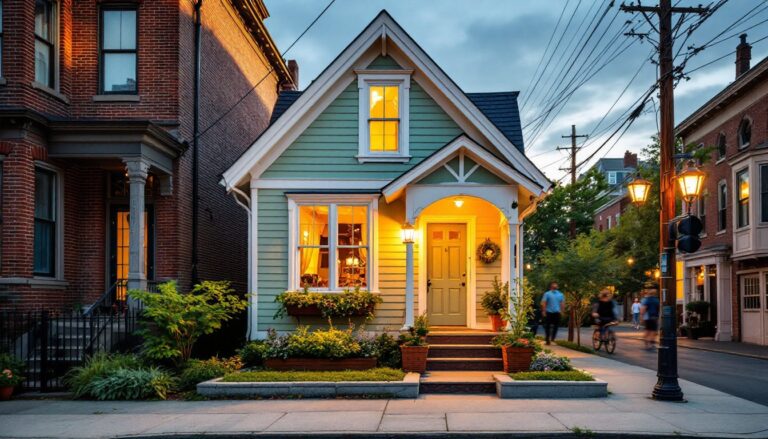
Beyond numbers, PA offers authentic small-town infrastructure. Communities like Lititz and New Holland in Lancaster County have walkable main streets, local services, and established networks, not the isolated-cabin stereotype many people fear. The state also has a strong DIY and homesteading culture, partly rooted in Amish and Mennonite traditions of craftsmanship and self-sufficiency. This translates to communities where owner-builders, contractors experienced with custom builds, and suppliers who stock specialty materials are easier to find. A tiny house owner planning renovations or additions will find more local support here than in states where tiny homes remain novelties.
The Top Pennsylvania Regions For Tiny Home Purchases
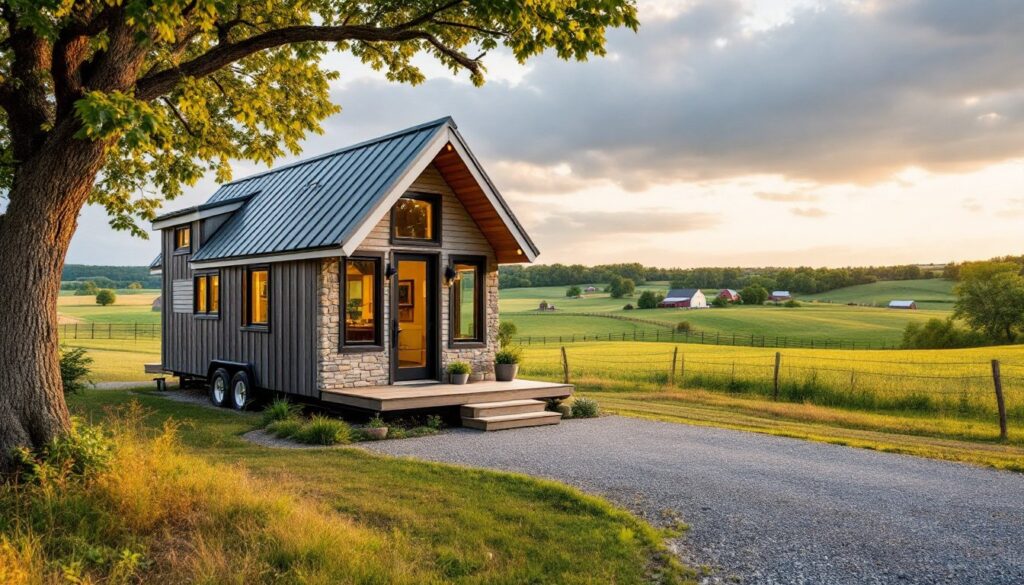
Lancaster County leads the state in tiny house availability and buyer interest. The region’s agricultural economy, lower land costs, and established alternative-living communities create natural demand. You’ll find both new-build tiny homes and converted barns or cottage properties. Rural areas around Ephrata and Bird-in-Hand average 1-5 acres, ideal if you want land alongside a compact footprint.
The Pocono Mountains region (Monroe and Pike Counties) attracts tiny home buyers seeking a retreat vibe within 90 minutes of New York City. Mountain properties often include woodland or water access, and the smaller local footprint means less competition than suburban Chester or Delaware Counties.
Southeastern suburbs near Philadelphia, including parts of Chester, Delaware, and Bucks Counties, appeal to commuters unwilling to accept Philadelphia’s condo prices. These towns have updated zoning in some cases and proximity to job centers. But, expect higher per-square-foot costs and tighter lot restrictions.
Western PA regions, particularly around Pittsburgh’s exurbs, remain underexplored. Lower land and construction costs, combined with affordable property taxes, make areas like Washington and Greene Counties attractive for buyers seeking maximum square footage per dollar. Trades and contractors are abundant due to the region’s industrial heritage.
Ithaca and the Finger Lakes corridor (upstate, near the PA border) occasionally appears in PA searches because listings cross state lines. Many tiny home brokers market regionally rather than strictly by state lines.
What To Expect In Pricing And Costs
Pricing for tiny houses in PA varies dramatically by region and whether the home is new-built, renovated, or preowned. A new, professionally constructed tiny home on wheels typically runs $35,000–$60,000. Foundation-built tiny homes (more commonly found as sales listings) range from $80,000–$150,000 in rural regions and $120,000–$200,000+ near urban areas.
Land costs significantly affect total price. A half-acre outside Lancaster runs $15,000–$40,000: the same land near Pittsburgh exurbs or Pocono areas might be $20,000–$50,000: and suburban acreage within 20 miles of Philadelphia jumps to $60,000–$100,000+. Always factor in site prep, septic systems (in areas without municipal sewer), well drilling, and utility connections, these add $10,000–$30,000 before you move in.
Property taxes on a $100,000 tiny home average 0.7–1.5% of value statewide, depending on the county. Lancaster’s rate is around 0.75%: Westmoreland around 1.1%. That’s roughly $700–$1,500 annually on a base property, significantly less than traditional homes. Insurance typically runs $400–$700 per year, lower than standard homeowner policies because replacement cost is lower.
Hidden costs include HOA fees if buying in a community (typically $150–$300 monthly), septic maintenance ($200–$400 annually), and property maintenance reserves. New-build warranties and builder reputations vary, some tiny home builders have solid track records: others are one-off contractors. Always ask for references and inspect similar completed projects.
Navigating Zoning Laws And Local Regulations
Zoning is the hardest part of tiny house ownership in PA, not because the state forbids them, but because rules are hyper-local. Pennsylvania doesn’t have state-level tiny house zoning: every township and borough sets its own rules. Some welcome accessory dwelling units (ADUs) and granny flats: others cap minimum home sizes at 1,200 square feet and restrict lot splits that would enable tiny placements.
Tiny House Community Zoning: explores these challenges in depth. Before buying land or a home, contact the township zoning officer, not the realtor. Ask explicitly about ADU allowances, minimum square footage requirements, setback rules, and whether tiny homes on wheels are permitted (most aren’t as permanent residences). Get answers in writing.
Building permits and inspections are mandatory for any structural work. PA follows the International Residential Code (IRC) with local amendments. A tiny home must still meet electrical code, plumbing code, and egress (window/door size for emergency exit) standards. Undersized homes sometimes fail egress inspections because the single bedroom window is too small, know this upfront.
Septic permits, well permits, and driveway permits vary by county. Lancaster County’s process is streamlined for rural properties: suburban Chester County is slower and more restrictive. Budget 8–16 weeks for permitting and plan site work accordingly. Some townships require professional engineers for soil testing or drainage, this adds $1,500–$3,000 but is non-negotiable for systems that must last decades.
Key Features To Evaluate Before You Buy
When evaluating a tiny house listing, focus on systems and structure, cosmetics are cheap: foundation, roof, and mechanical systems are not.
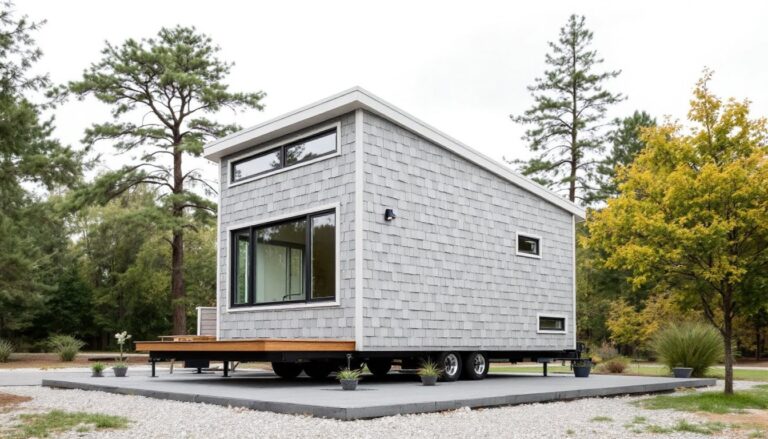
Foundation and structure: Check whether the home sits on a permanent foundation (concrete slab, post-and-beam, or crawlspace) or a wheeled trailer. Wheeled tiny homes are cheaper to move but harder to finance and insure: lenders often require permanent foundations. Inspect for settling, cracks, or water damage. Tiny homes packed into small footprints concentrate moisture: look for mold, soft drywall corners, or rust on metal studs.
Roof and exterior: Roofing on a tiny home takes a beating because the pitch-to-square-foot ratio is steeper. Check the condition and ask about the remaining lifespan. Tiny homes often use corrugated metal, standing seam, or steep-pitch shingles, all have different maintenance demands and lifespans (15–50 years depending on material).
Mechanical systems: HVAC, plumbing, and electrical are cramped in tiny homes. Inspect water heaters, furnaces, and electrical panels for age and proper installation. A corroded water heater in a 300-square-foot home creates bigger problems than in a 2,000-square-foot house because there’s nowhere to escape moisture or heat. Ask about insulation, R-value in walls, attic, and foundation. Tiny homes in PA’s climate need R-15+ walls and R-38+ attics.
Utilities and offsets: Does the home have solar potential, or is the roof shadowed? Are utilities buried or overhead? Well and septic working properly? Get a professional inspection for septic (cost: $300–$500) and well water testing (cost: $150–$250). These are non-negotiable in rural PA.
Interior layout: Walk through with a tape measure, not just photos. Ceiling height, door swing radii, and storage affect daily livability. Many buyers regret tight bathrooms and kitchens after a few months, this isn’t cosmetic, it affects resale.
Finding And Comparing Listings In Your Area
Finding tiny house listings in PA requires a deliberate approach because most MLS databases aren’t filtered for small homes, you’ll scroll past 3-bedroom ranches to find one relevant property.
Start with Curbed’s guide to tiny houses for sale and specialized tiny home marketplaces like Tiny House Listings and Zillow’s “small homes” filter. Regional real estate agents in Lancaster, Pocono, and Western PA communities often know off-market tiny properties and can give you honest zoning feedback. Ask an agent specifically about farms or properties with easements, these sometimes have affordable secondary parcels or cottage structures listed separately.
HGTV’s tiny house design collection offers inspiration on finishes and layouts, though most aren’t PA-specific listings. Use it to identify what layout matters to you, then search comparable sales.
HomeAdvisor’s project guides and cost estimators help you forecast renovation or maintenance costs once you’ve identified a property, critical for budgeting on older conversions or fixer-uppers.
When comparing listings, note square footage (some agents game this by counting lofts as partial rooms, ask for exact dimensions), lot size, septic vs. municipal sewer, and distance to schools or job centers. Two listings at the same price mean nothing if one includes 5 acres and the other is a quarter-acre suburban lot. Always request inspection reports, permit history, and septic records. Missing documentation is a red flag.
Conclusion
Buying a tiny house in Pennsylvania is a real option for cost-conscious homeowners willing to do their assignments. The state’s diverse regions, moderate land prices, and mixed zoning environment mean opportunity exists, but not everywhere. Start by identifying your priorities: rural refuge, suburban commute-ability, or investment potential. Then narrow regions and research zoning before looking at listings. The buyers who regret tiny house purchases rarely regret the home itself: they regret skipping the zoning check or choosing a location with weak resale demand. Do the legwork first, inspect thoroughly, and move forward with confidence.