Table of Contents
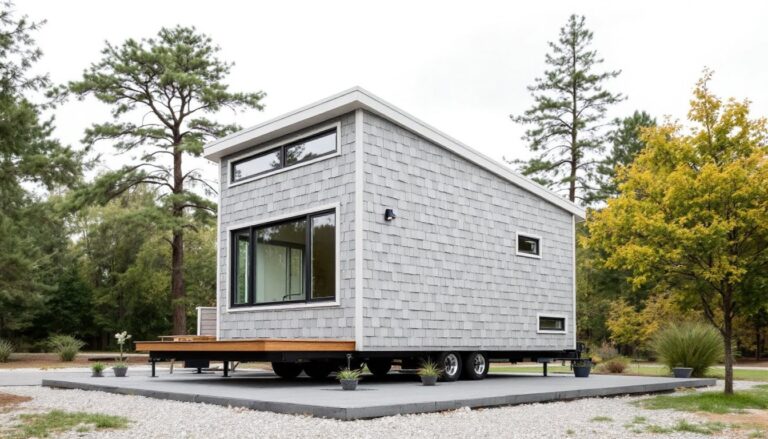
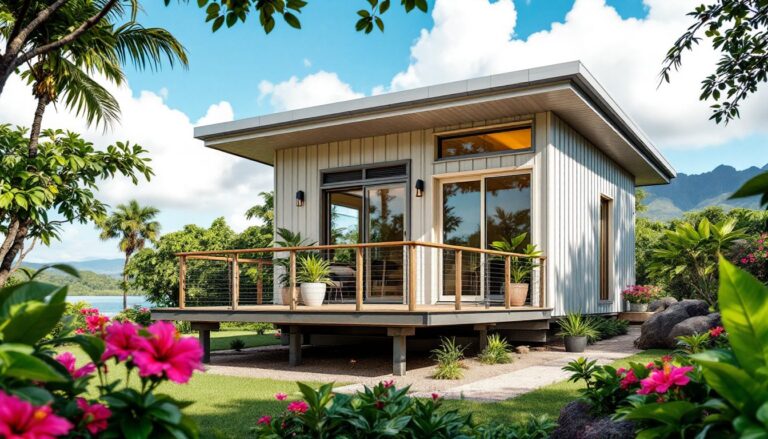
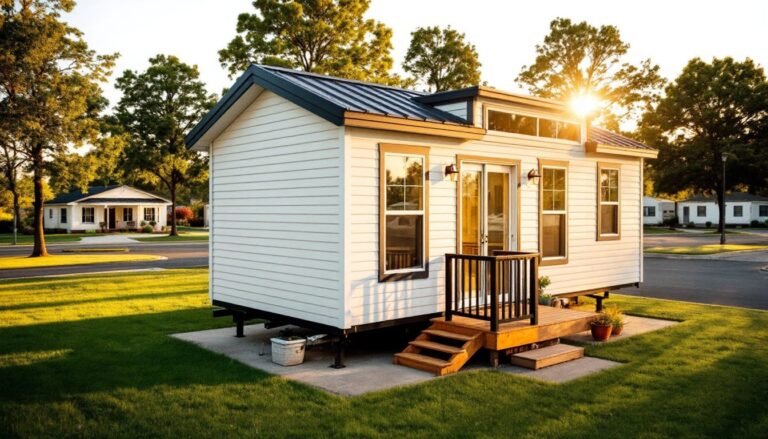
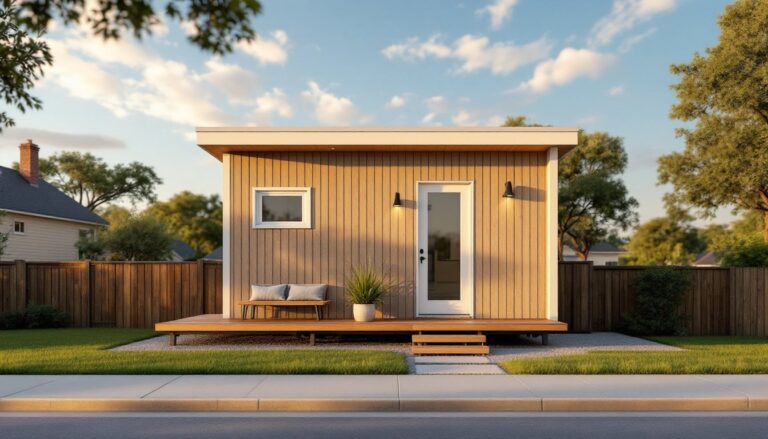
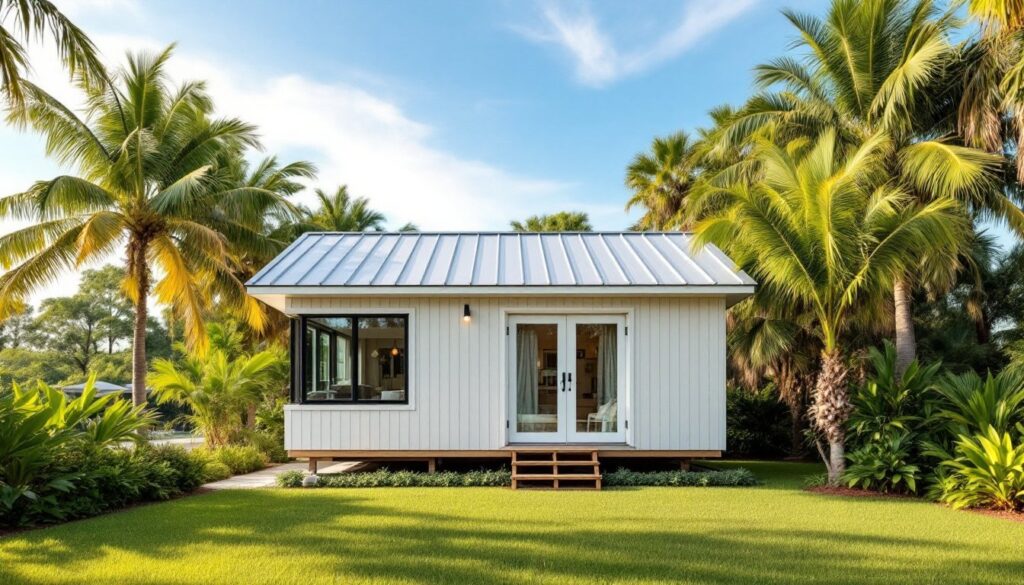
ToggleTiny houses are reshaping how Floridians approach homeownership and sustainable living. Whether you’re drawn to lower utility costs, simplified maintenance, or the freedom of a smaller footprint, tiny houses in Florida offer a practical alternative to traditional housing, without sacrificing comfort or modern convenience. This guide walks you through what you need to know before building or buying a tiny house in Florida, from local zoning rules to climate-specific design strategies that actually work in heat and humidity.
Key Takeaways
- Tiny houses in Florida offer significant cost savings on utilities and maintenance, with monthly cooling bills potentially dropping to $50–$150 depending on the season, plus lower property taxes and insurance.
- Florida has no statewide tiny house code, so zoning and building regulations vary dramatically by county and municipality—always verify local rules before purchasing land or starting construction.
- Design for Florida’s humid subtropical climate by prioritizing ventilation, moisture-resistant materials, and cross-airflow to prevent mold buildup and reduce air conditioning costs in tiny houses.
- Tiny house construction costs between $40,000–$100,000, with land and permits adding another $20,000–$60,000, so choose locations with permissive zoning and lower land prices to stretch your budget.
- Research climate microclimates within Florida, as South Florida’s salt air and humidity require different corrosion protections than inland or Panhandle regions with their own environmental challenges.
- Buy a tiny house for lifestyle and sustainability benefits rather than investment appreciation, since the smaller buyer pool and financing challenges mean resale value may not match conventional homes.
Why Tiny Houses Are Thriving In Florida
Florida’s booming population and rising property costs make tiny houses an increasingly attractive option. Young professionals, retirees on fixed incomes, and anyone tired of sprawling maintenance have fueled demand. The state’s year-round warm climate means you’re not fighting brutal winters or heating bills, one major cost-of-living advantage.
The tiny house movement also aligns with Florida’s growing sustainability concerns. With sea-level rise and climate awareness top-of-mind for coastal residents, downsizing your home’s footprint feels purposeful. You’ll use less energy for cooling, require fewer materials to maintain, and reduce your carbon footprint. That said, Florida’s humid subtropical climate does introduce specific design challenges: moisture control, ventilation, and rot prevention aren’t afterthoughts here, they’re core design decisions that affect long-term durability.
Zoning Laws And Building Codes You Need To Know
Before you fall in love with a tiny house design, check local zoning ordinances. Florida has no statewide tiny house code, so rules vary dramatically between counties and municipalities. Some cities embrace tiny houses and have streamlined permitting: others cap square footage or restrict ADUs (accessory dwelling units) outright. Jacksonville and Tampa have begun updating codes to allow smaller units, but rural areas often have stricter lot-size and setback requirements.
You’ll need to navigate the Florida Building Code (which adopts the International Building Code with state modifications). Minimum ceiling heights, egress window requirements, and foundation standards don’t change just because your house is small. A tiny house still needs proper ventilation, electrical capacity, and plumbing to code, no shortcuts. Many tiny house builders work with a permit consultant familiar with local quirks: it’s worth the cost to avoid costly rework later.
If you’re considering an ADU on a primary residence, some jurisdictions now allow them under certain conditions. Others prohibit them entirely. Tiny House Community Zoning covers these regulatory hurdles in detail and worth understanding before you purchase land.
Budget-Friendly Design Tips For Florida Tiny Homes
Smart design can stretch a modest budget and make a small space feel spacious. In Florida’s heat, thoughtful placement of windows and shade is non-negotiable, overheating drives AC costs through the roof (literally, if your roof isn’t properly ventilated).
Maximizing Space In Hot, Humid Climates
Open floor plans are essential in Florida tiny houses. Walls that separate kitchen, living, and dining areas waste precious square footage and trap heat in pockets. Instead, use strategic transitions: a 2-foot change in ceiling height, a decorative soffit, or a modest beam can define zones without full walls.
Ventilation is critical. Install high-quality exhaust fans in kitchen and bathroom, and use passive ventilation through properly sized vents. Cross-ventilation, windows on opposite walls, lets ocean breezes or evening air flow through naturally. This reduces AC run time and prevents mildew buildup, a real problem in Florida humidity.
For finishes, choose materials that resist moisture: pressure-treated or engineered lumber for any exposed framing, mold-resistant drywall in damp areas, and quality sealants on all penetrations. Paint with semi-gloss or satin finishes in bathrooms and kitchens, they’re easier to wipe clean and resist mildew better than flat paint. Skip the trendy open shelving that traps dust and moisture: closed cabinetry keeps humidity and pests at bay. Organizations like Apartment Therapy showcase clever micro-apartment layouts that translate well to Florida tiny homes.
Cost Considerations And Financial Benefits
A tiny house in Florida typically costs $40,000 to $100,000 to build (labor and materials combined), though market fluctuations and custom finishes alter this range. Land, permits, and site prep add another $20,000 to $60,000 depending on location and local labor rates, costs that vary significantly between Miami, rural North Florida, and coastal areas.
Ownership savings compound quickly. A 400-square-foot home costs far less to heat and cool than a 2,000-square-foot house. Your monthly utility bill might drop to $50–$100 in shoulder seasons and stay below $150 even during peak summer. Property taxes and insurance scale down too, and maintenance is genuinely simpler: fewer fixtures to repair, less area to repaint, cheaper roof replacement when the time comes.
If you’re building with an eye toward eventual sale, understand that tiny houses have a narrower buyer pool than conventional homes. Some lenders hesitate to finance them, and appraisers sometimes struggle to find comparables. That appreciation you’d see on a larger house might not materialize, so buy a tiny house for lifestyle, not investment returns. Budget Tiny House options explore affordable strategies that don’t sacrifice durability or comfort.
Choosing The Right Location In Florida
Location makes or breaks a tiny house project. A permissive municipality in central Florida with low land costs and lenient zoning beats a trendy neighborhood that bans anything under 1,500 square feet. Research county zoning maps, call the planning department, and talk to local builders, you’ll get honest answers about what’s feasible.
Consider climate microclimates within the state. South Florida’s intense humidity and salt air demand extra corrosion protection and ventilation. Inland areas face extreme heat but less mold pressure. The Panhandle gets colder winters (minimal, but real), so insulation standards differ slightly. Elevated lots in flood-prone areas are non-negotiable: foundation height and flood-resilient design add cost but protect your investment.
Community matters too. Some towns have tiny house clusters or ADU-friendly neighborhoods popping up. Living near others with similar housing philosophy builds a support network and often increases property values in that microclimate. Towns like Vilano Beach near St. Augustine are experimenting with small-lot, walkable neighborhoods. Proximity to jobs, schools, and services shouldn’t be sacrificed for a lower purchase price, commute costs erode savings fast. Real Simple has practical advice on evaluating neighborhoods and community fit, principles that apply whether you’re downsizing in a city or settling in a smaller town. Top Tiny Home Builders can guide you toward regions and contractors with solid track records in Florida’s specific climate and regulatory environment.
Conclusion
Tiny houses in Florida aren’t a one-size-fits-all solution, but they’re increasingly viable for those willing to navigate local rules and embrace intentional living. Success hinges on understanding your municipality’s stance early, designing for Florida’s climate realities, and being honest about whether downsizing aligns with your actual lifestyle. Do your assignments, talk to locals who’ve built tiny, and factor in long-term durability, not just square footage. With careful planning and realistic expectations, a tiny house can deliver the freedom and financial breathing room you’re seeking.